Heyy... are you really leaving without your FREE eBook!?!
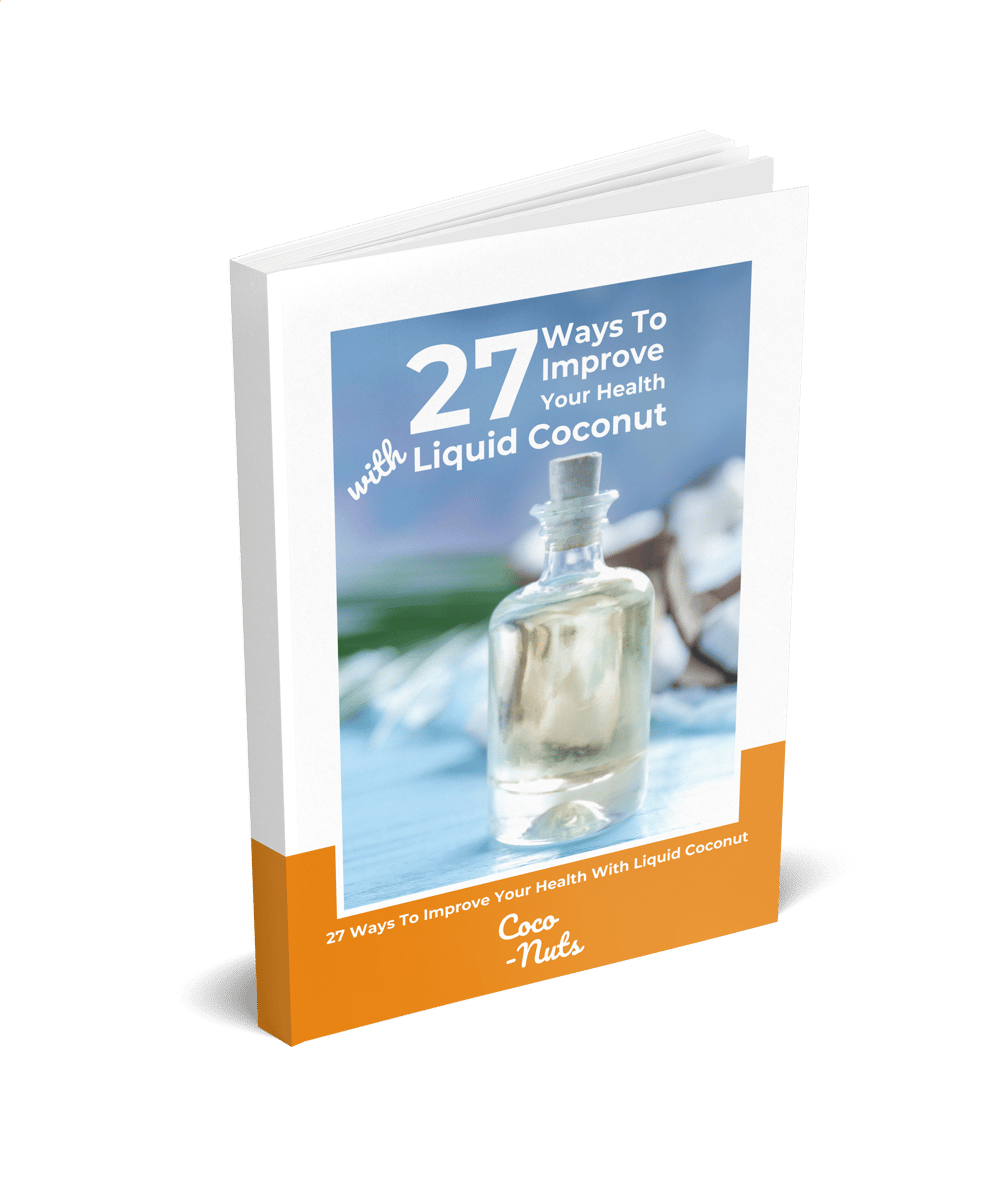
Come on... drop your email in the box below and get that eBook ASAP to learn
27 ways to improve your health with Liquid Coconut!
No worries, you’ll get only the real good stuff from us.
Get your eBook FREE of charge below!

Why You Should Incorporate Coconut Fat to Improve Your Mood and Well-Being
Monday, July 21, 2025

Why You Should Incorporate Coconut Fat to Improve Your Mood and Well-Being
The Role of Coconut Oil in Enhancing Mood and Emotional Well-Being: A Deep Dive into Brain and Body Health
In our complex modern world, maintaining mental and emotional balance is an ongoing challenge. Stress, anxiety, and mood disorders affect millions globally, often linked to lifestyle, environment, and nutrition. Emerging research suggests that certain dietary fats, particularly coconut oil with its unique medium-chain triglycerides (MCTs), can play a significant role in supporting brain function and emotional well-being.
This article explores the multifaceted ways coconut oil influences mood regulation, cognitive health, and emotional stability, backed by biochemical mechanisms and scientific insights.
Understanding the Biochemical Foundation: Why Fat Matters for Mood
Our brains are composed largely of fat—approximately 60% by dry weight—and depend on a steady supply of high-quality lipids to maintain structural integrity, cell membrane fluidity, and optimal neurotransmission. The types of fats consumed in the diet affect brain composition, synaptic plasticity, and neurochemical balance.
Coconut oil differs from other fats because it is rich in MCTs, including lauric acid (C12), caprylic acid (C8), and capric acid (C10). These fatty acids are rapidly absorbed and transported directly to the liver, where they are converted into ketones. Ketones serve as an alternative and efficient energy source for the brain, especially under conditions where glucose metabolism is compromised, such as during aging, neurodegenerative diseases, or chronic stress—all of which impact mood.
Ketones and Cognitive-Mood Enhancement
Ketones generated from coconut oil MCTs can cross the blood-brain barrier easily, providing neurons with a fast and efficient energy supply. This is critical because brain energy deficits are implicated in depression, anxiety, and cognitive dysfunction.
By providing ketones, coconut oil can:
- Improve mitochondrial function within neurons, enhancing ATP (energy) production.
- Reduce neuronal excitotoxicity—a pathological process contributing to mood disorders—by stabilizing neuronal activity.
- Support neurogenesis (the creation of new neurons), particularly in the hippocampus, a brain region vital for memory and mood regulation.
- These effects collectively contribute to improved cognitive function, reduced depressive symptoms, and enhanced emotional resilience.
Neurotransmitter Synthesis and Receptor Modulation
Mood regulation hinges on neurotransmitters such as serotonin, dopamine, norepinephrine, and GABA. Coconut oil supports neurotransmitter balance through multiple pathways:
- Serotonin: Essential for feelings of well-being and calm, serotonin requires healthy neuronal membranes and tryptophan availability. The saturated fats in coconut oil maintain membrane integrity, facilitating receptor function and serotonin transport.
- Dopamine: Central to motivation and pleasure, dopamine signaling benefits from improved mitochondrial energy and reduced oxidative stress, both supported by MCT metabolism.
- GABA: The primary inhibitory neurotransmitter, GABA calms neural circuits. Coconut oil’s anti-inflammatory and antioxidant effects enhance GABA receptor sensitivity, reducing anxiety and promoting relaxation.
Additionally, lauric acid-derived monolaurin exhibits neuroprotective effects by modulating neuroinflammation, which can disrupt neurotransmitter systems in mood disorders.
Anti-Inflammatory and Antioxidant Effects
Neuroinflammation is a significant contributor to the pathophysiology of depression and anxiety. Elevated inflammatory cytokines can impair neurotransmitter synthesis and receptor function while increasing oxidative stress, damaging brain cells.
Coconut oil contains polyphenols and lauric acid that reduce inflammatory markers such as interleukin-6 (IL-6) and tumor necrosis factor-alpha (TNF-α). Its antioxidants neutralize free radicals, protecting neuronal membranes from lipid peroxidation.
By dampening brain inflammation, coconut oil supports healthier neural networks, enhancing mood stability and reducing symptoms of anxiety and depression.
Blood Sugar Stabilization and Energy Balance
Fluctuating blood glucose levels can cause irritability, fatigue, and mood swings. Coconut oil’s MCTs provide a steady source of energy independent of glucose, reducing dependency on high-carb “quick fixes” that destabilize blood sugar.
Stable blood sugar levels promote balanced cortisol (stress hormone) secretion, which is crucial for emotional regulation. Chronic blood sugar instability can dysregulate the hypothalamic-pituitary-adrenal (HPA) axis, leading to heightened stress responses and mood disorders.
Gut-Brain Axis and Mental Health
The gut microbiome profoundly influences mood via the gut-brain axis, impacting neurotransmitter production, immune function, and systemic inflammation.
Coconut oil’s antimicrobial properties help maintain a healthy balance of gut flora by suppressing pathogenic bacteria and yeast like Candida albicans, which can exacerbate “leaky gut” and systemic inflammation.
A balanced microbiome promotes the production of neuroactive compounds such as serotonin (approximately 90% of which is produced in the gut) and short-chain fatty acids, which have mood-stabilizing effects.
Sleep Quality and Mood Regulation
Quality sleep is fundamental to emotional well-being. Disrupted sleep patterns increase the risk of depression and anxiety.
Ketogenic metabolism from MCTs in coconut oil has been shown in some studies to improve sleep architecture by stabilizing energy supply and reducing nighttime awakenings.
Better sleep supports the brain’s clearance of metabolic waste (via the glymphatic system) and optimizes emotional processing, reducing mood disturbances.
- Practical Ways to Incorporate Coconut Oil for Mood Support
- Daily Supplementation: Start with 1 teaspoon, gradually increasing to 1–2 tablespoons daily, added to coffee, smoothies, or food.
- Cooking: Use coconut oil for sautéing and baking to replace processed oils that can promote inflammation.
- Evening Routine: Incorporate coconut oil into dinner or an herbal tea to promote relaxation and support sleep.
- Topical Application: Combine with calming essential oils (e.g., lavender) for massage to reduce physical tension linked to emotional stress.
Important Considerations and Final Thoughts
While coconut oil shows promise as a natural mood enhancer, it is not a substitute for medical treatment of mental health disorders. Individuals with diagnosed conditions should consult healthcare providers before making significant dietary changes.
Moreover, balance and moderation are key. Excessive consumption of saturated fats, even from coconut oil, may have adverse effects in some individuals, particularly those with certain cardiovascular risks.
Incorporated as part of a holistic approach—including balanced nutrition, physical activity, stress management, and social support—coconut oil can contribute meaningfully to improved mood and emotional well-being.
If you would like to learn more about coconut, its saturated fats, and the role it can play in your diet, be sure to follow us on your favorite social media or sign up for our Coco-Nuts Tribe newsletter just down below.
Don’t forget that, by joining our Coco-Nuts Tribe Newsletter, you will receive my new FREE eBook – 27 Ways to Improve Your Health with Liquid Coconut.
Take care and talk to you next time!
Lenny Gee

Hi, I Am Lenny Gee
Co-Founder of Coco-Nuts.life
My love for nutrition and my passion for coconuts gave me this crazy idea to start this tropical adventure where we want to help you achieve wellness and enjoy life the way it should be.
FREE eBook
27 Ways To Improve Your Health With Liquid Coconut
Subscribe to our Tribe and receive our eBook FREE of cost.
Packed with useful recipes to guide you, and healthy benefits to inform you, this eBook makes it easier than ever for you to use our Liquid Coconut - totally FREE of charge.
Coco
-Nuts
Coco
-Nuts
Health ● Mind ● Body
Health ● Mind ● Body
Quick Links
© 2025 Coco-Nuts inc., ALL RIGHTS RESERVED
†These statement have not been evaluated by the Food & Drug Administration. This product do not intended to diagnose, treat, cure, or prevent any disease.
Information provided by this website or this company is not a substitute for individual medical advice.