Heyy... are you really leaving without your FREE eBook!?!

Come on... drop your email in the box below and get that eBook ASAP to learn
27 ways to improve your health with Liquid Coconut!
No worries, you’ll get only the real good stuff from us.
Get your eBook FREE of charge below!

Why Coconut Oil’s Saturated Fat Isn’t What You Think—And Why It Could Boost Your Health
Monday, October 06, 2025
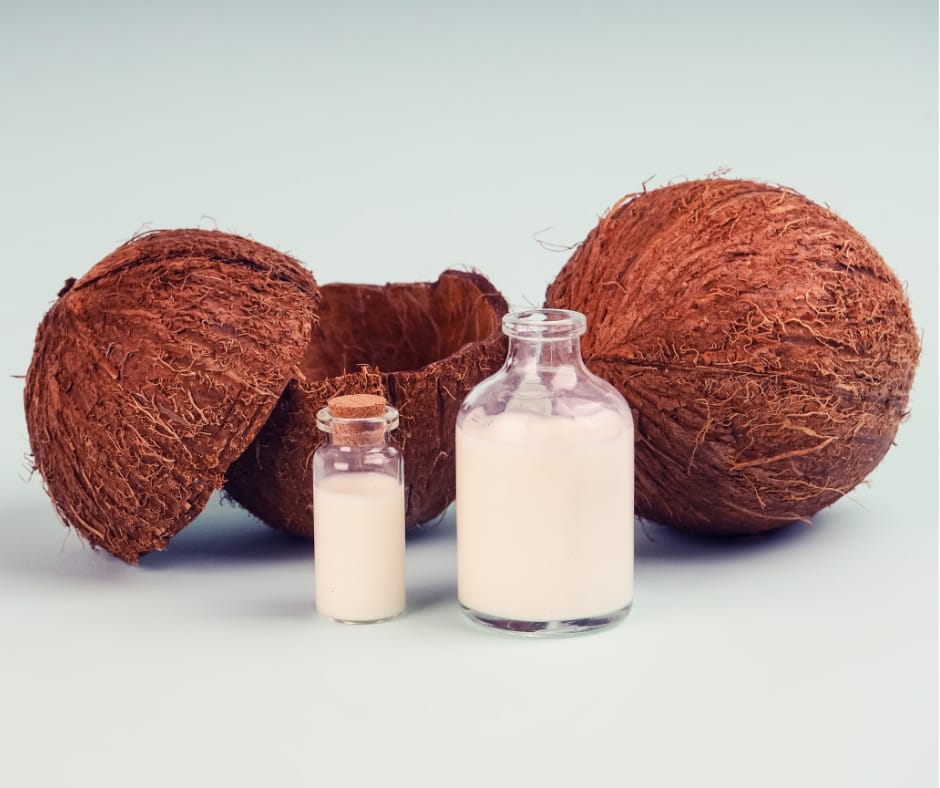
Why Coconut Oil’s Saturated Fat Isn’t What You Think—And Why It Could Boost Your Health
The Coconut Oil Paradox: Why This Saturated Fat Powerhouse Is Celebrated as a Superfood
Coconut oil is one of the most polarizing ingredients in the nutrition world. Despite being composed of nearly 90% saturated fat—a category of fats long associated with heart disease and health risks—it has been embraced by many as a “superfood” with remarkable health benefits. This seeming contradiction has left many health-conscious home cooks and wellness enthusiasts puzzled: How can something so rich in saturated fat be good for you?
In this comprehensive exploration, we’ll unravel the science behind coconut oil’s unique fat profile, its metabolic advantages, and the reasons it continues to earn praise amidst controversy.
The Distinctive Nature of Coconut Oil’s Saturated Fats
Unlike the long-chain saturated fats typically found in animal products, coconut oil is primarily made up of medium-chain triglycerides (MCTs)—specifically lauric acid, caprylic acid, and capric acid. These fats are metabolized uniquely: rather than being stored as body fat, MCTs are rapidly absorbed by the liver and converted into ketones, which serve as a quick and efficient fuel source for the brain and muscles.
This difference in metabolism forms the cornerstone of many of coconut oil’s touted benefits, setting it apart from other saturated fats that are more readily deposited in fat stores.
Metabolic Boosters: More Than Just Calories
Research indicates that MCTs found in coconut oil can:
- Increase energy expenditure: Studies show that MCTs can modestly raise metabolic rate, helping the body burn more calories at rest.
- Promote fat oxidation: MCTs encourage the body to use fat as fuel, which may support weight management and reduce fat accumulation.
- Enhance satiety: By slowing digestion and influencing appetite hormones, coconut oil can help reduce overall calorie intake.
- Support cognitive function: Ketones produced from MCTs offer an alternative brain fuel source, potentially improving mental clarity and focus.
These metabolic effects explain why coconut oil enjoys popularity, especially among those following ketogenic or low-carb diets.
Lauric Acid: A Potent Antimicrobial and Immune Booster
Nearly 50% of coconut oil’s fatty acids come from lauric acid, a compound known for its antimicrobial, antifungal, and antiviral properties. Lauric acid can disrupt harmful pathogens, supporting gut health and immune function.
This natural defense mechanism adds to the “superfood” status of coconut oil, as it contributes functional health benefits beyond basic nutrition.
Clean and Minimal Processing for Maximum Nutritional Value
Virgin and cold-pressed coconut oils retain most of their natural antioxidants and beneficial compounds because they undergo minimal processing. This contrasts with highly refined seed oils, which often lose nutritional quality due to bleaching, deodorizing, and chemical extraction.
High-quality coconut oil’s purity aligns with the clean eating principles embraced by many wellness advocates.
The Saturated Fat Debate: Navigating Risks and Benefits
Despite coconut oil’s benefits, health authorities continue to caution against excessive saturated fat consumption due to its potential effects on LDL cholesterol and heart disease risk.
However, mounting evidence suggests that the type of saturated fat and dietary context matter greatly. Coconut oil tends to raise HDL (“good”) cholesterol and may improve the LDL to HDL ratio in some individuals. When used to replace industrially processed trans fats or highly refined vegetable oils, coconut oil can be a comparatively healthier choice.
Conclusion: Coconut Oil—A Complex Superfood Worth Considering
Coconut oil’s reputation as a superfood stems from its unique medium-chain saturated fats, metabolic advantages, antimicrobial properties, and minimal processing—not simply its saturated fat content.
Coconut oil can be a valuable dietary fat when chosen carefully and consumed in moderation. It offers a fascinating blend of traditional nourishment and modern nutritional science that supports energy, immune health, and metabolic vitality.
If you would like to learn more about coconut, its saturated fats, and the role it can play in your diet, be sure to follow us on your favorite social media or sign up for our Coco-Nuts Tribe newsletter just down below.
Don’t forget that, by joining our Coco-Nuts Tribe Newsletter, you will receive my new FREE eBook – 27 Ways to Improve Your Health with Liquid Coconut.
Take care and let the coconut craze take over you.
Lenny Gee

Hi, I Am Lenny Gee
Co-Founder of Coco-Nuts.life
My love for nutrition and my passion for coconuts gave me this crazy idea to start this tropical adventure where we want to help you achieve wellness and enjoy life the way it should be.
FREE eBook
27 Ways To Improve Your Health With Liquid Coconut
Subscribe to our Tribe and receive our eBook FREE of cost.
Packed with useful recipes to guide you, and healthy benefits to inform you, this eBook makes it easier than ever for you to use our Liquid Coconut - totally FREE of charge.
Coco
-Nuts
Coco
-Nuts
Health ● Mind ● Body
Health ● Mind ● Body
Quick Links
© 2025 Coco-Nuts inc., ALL RIGHTS RESERVED
†These statement have not been evaluated by the Food & Drug Administration. This product do not intended to diagnose, treat, cure, or prevent any disease.
Information provided by this website or this company is not a substitute for individual medical advice.