Heyy... are you really leaving without your FREE eBook!?!

Come on... drop your email in the box below and get that eBook ASAP to learn
27 ways to improve your health with Liquid Coconut!
No worries, you’ll get only the real good stuff from us.
Get your eBook FREE of charge below!

Types of Macronutrients: The Foundation of Nutrition
Wednesday, November 19, 2025
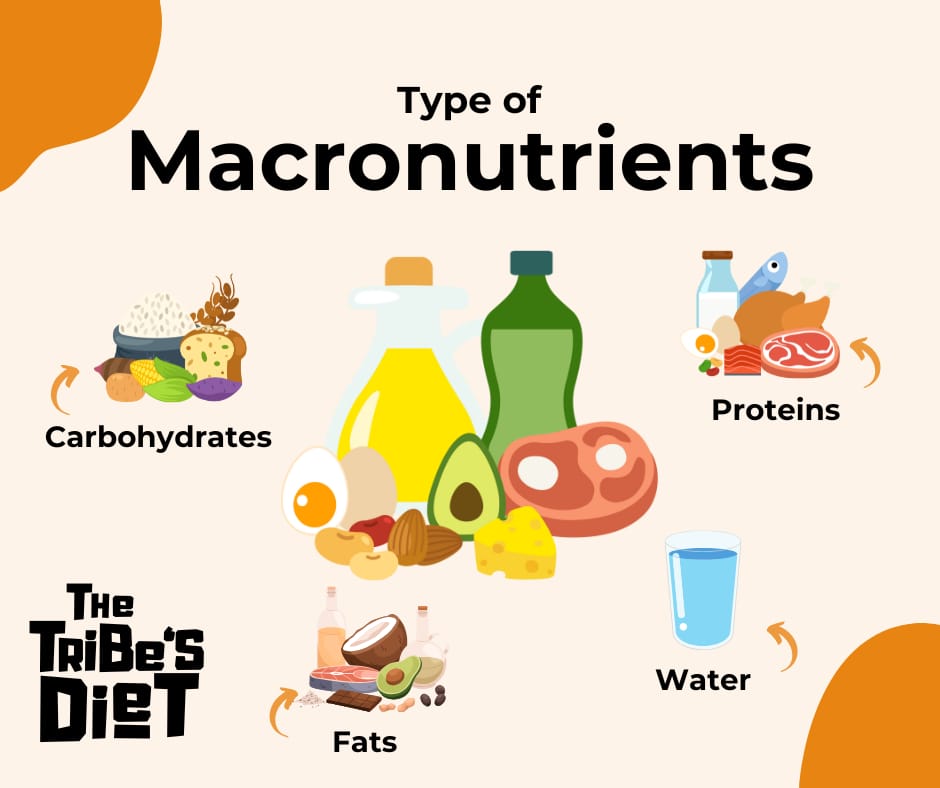
Types of Macronutrients: The Foundation of Nutrition
Macronutrients are more than just calories—they are the building blocks that fuel your body, regulate metabolism, and support every cell, tissue, and organ. Understanding their types, functions, and optimal intake can transform your health and performance.
Macronutrients are nutrients your body requires in large amounts to maintain energy, growth, and overall physiological function. Unlike micronutrients, which act as regulators, macronutrients provide energy (calories), structural components, and essential support for metabolism.
The main macronutrients are: carbohydrates, proteins, fats, and water. Each has unique roles, metabolism, and health implications.
Carbohydrates: The Primary Fuel Source
Carbohydrates are the body’s preferred energy source, especially for the brain and red blood cells. They are metabolized into glucose, which can be used immediately or stored as glycogen in the liver and muscles.
Types of Carbohydrates
- Simple Carbohydrates: Found in sugar, honey, and refined foods. They are absorbed quickly, providing rapid energy but can cause blood sugar spikes and crashes.
- Complex Carbohydrates: Found in whole grains, legumes, vegetables, and fruits. These digest slowly, providing sustained energy and supporting gut health due to their fiber content.
Additional Roles
- Carbohydrates spare protein from being used as energy, allowing proteins to focus on tissue repair and other functions.
- Dietary fiber, a type of carbohydrate, supports digestive health, satiety, and microbiome diversity.
Health Considerations
- Low carbohydrate intake may lead to fatigue, reduced mental performance, and impaired exercise capacity.
- Excess refined carbs can increase the risk of obesity, insulin resistance, and metabolic syndrome.
Proteins: The Body’s Building Blocks
Proteins are composed of amino acids, essential for tissue repair, enzyme production, hormone synthesis, and immune function. The body uses proteins for growth, maintenance, and even energy under extreme conditions.
Types of Protein
- Complete Proteins: Contain all nine essential amino acids. Sources include meat, fish, eggs, dairy, and soy.
- Incomplete Proteins: Lack one or more essential amino acids. Found in legumes, grains, nuts, and seeds, which can be combined to form complete proteins.
Biological Functions
- Muscle tissue development and repair
- Production of enzymes, antibodies, and hormones
- Maintenance of skin, hair, and nails
- Support of metabolic processes and immune defense
Health Considerations
- Inadequate protein intake can result in muscle wasting, delayed healing, weakened immunity, and hair/skin issues.
- Excess protein, especially from animal sources, may strain kidneys in susceptible individuals.
Fats: Essential for Energy, Hormones, and Cellular Health
Fats are highly calorie-dense macronutrients (9 kcal per gram) with key roles in energy storage, hormone production, and cell membrane integrity. They also facilitate the absorption of fat-soluble vitamins (A, D, E, K).
Types of Fat
- Saturated Fats: Found in coconut oil, butter, and animal fats. Should be consumed in moderation.
- Unsaturated Fats: Includes monounsaturated fats (olive oil, avocado) and polyunsaturated fats (omega-3s in fatty fish, flaxseed). Support heart and brain health.
- Trans Fats: Artificial fats in processed foods; increase cardiovascular risk and should be avoided.
Additional Roles
- Protect organs and provide insulation
- Support brain function, neurotransmitter synthesis, and hormone regulation
- Provide long-term energy reserves
Health Considerations
- Adequate intake of healthy fats supports cognitive function and reduces inflammation.
- Imbalanced fat intake (too much saturated/trans fat) may increase the risk of heart disease.
Water: The Essential, Often Overlooked Macronutrient
Water is technically a macronutrient because it is required in large amounts. It plays a critical role in hydration, nutrient transport, waste removal, temperature regulation, and biochemical reactions.
Functions
- Maintains blood volume and cardiovascular health
- Transports nutrients and oxygen to cells
- Supports digestion, detoxification, and cellular metabolism
- Regulates body temperature through sweating and respiration
Health Considerations
- Dehydration impairs cognitive function, physical performance, and metabolic efficiency.
- Excess water intake can lead to hyponatremia, a rare condition that dilutes electrolytes.
How Macronutrients Work Together
- Carbohydrates provide immediate energy for daily activities.
- Proteins repair and build tissues, enzymes, and hormones.
- Fats offer sustained energy, hormone support, and cell structure.
- Water facilitates all metabolic and physiological processes.
A balanced diet combining these macronutrients optimizes energy levels, muscle function, metabolic efficiency, and overall health.
Practical Guidelines for Macronutrient Balance
1- Carbohydrates: 25–35% of daily calories, emphasizing complex, fiber-rich sources.
2- Proteins: 25–35% of daily calories, prioritizing complete and lean proteins.
3- Fats: 25–35% of daily calories, focusing on unsaturated fats.
4- Water: 2–3 liters daily, adjusting for activity, climate, and health status.
Balancing macronutrients at every meal promotes stable blood sugar, satiety, and optimal energy utilization.
Bottom Line
Macronutrients — carbohydrates, proteins, fats, and water — are essential for energy, growth, repair, and metabolic health. Each type serves distinct yet interconnected roles. Understanding these macronutrients empowers you to make informed dietary choices, enhance performance, support overall wellness, and prevent chronic diseases.
If you would like to learn more about the Tribe's Diet, how you can adhere to it, and what benefits it could bring you, be sure to follow us on your favorite social media or sign up for our Coco-Nuts Tribe Newsletter just down below.
Don’t forget that, by joining our Coco-Nuts Tribe Newsletter, you will receive my new FREE eBook – 27 Ways to Improve Your Health with Liquid Coconut.
I hope you enjoy it and talk to you next time!
Lenny Gee

Hi, I Am Lenny Gee
Co-Founder of Coco-Nuts.life
My love for nutrition and my passion for coconuts gave me this crazy idea to start this tropical adventure where we want to help you achieve wellness and enjoy life the way it should be.
FREE eBook
27 Ways To Improve Your Health With Liquid Coconut
Subscribe to our Tribe and receive our eBook FREE of cost.
Packed with useful recipes to guide you, and healthy benefits to inform you, this eBook makes it easier than ever for you to use our Liquid Coconut - totally FREE of charge.
Coco
-Nuts
Coco
-Nuts
Health ● Mind ● Body
Health ● Mind ● Body
Quick Links
© 2025 Coco-Nuts inc., ALL RIGHTS RESERVED
†These statement have not been evaluated by the Food & Drug Administration. This product do not intended to diagnose, treat, cure, or prevent any disease.
Information provided by this website or this company is not a substitute for individual medical advice.