Heyy... are you really leaving without your FREE eBook!?!
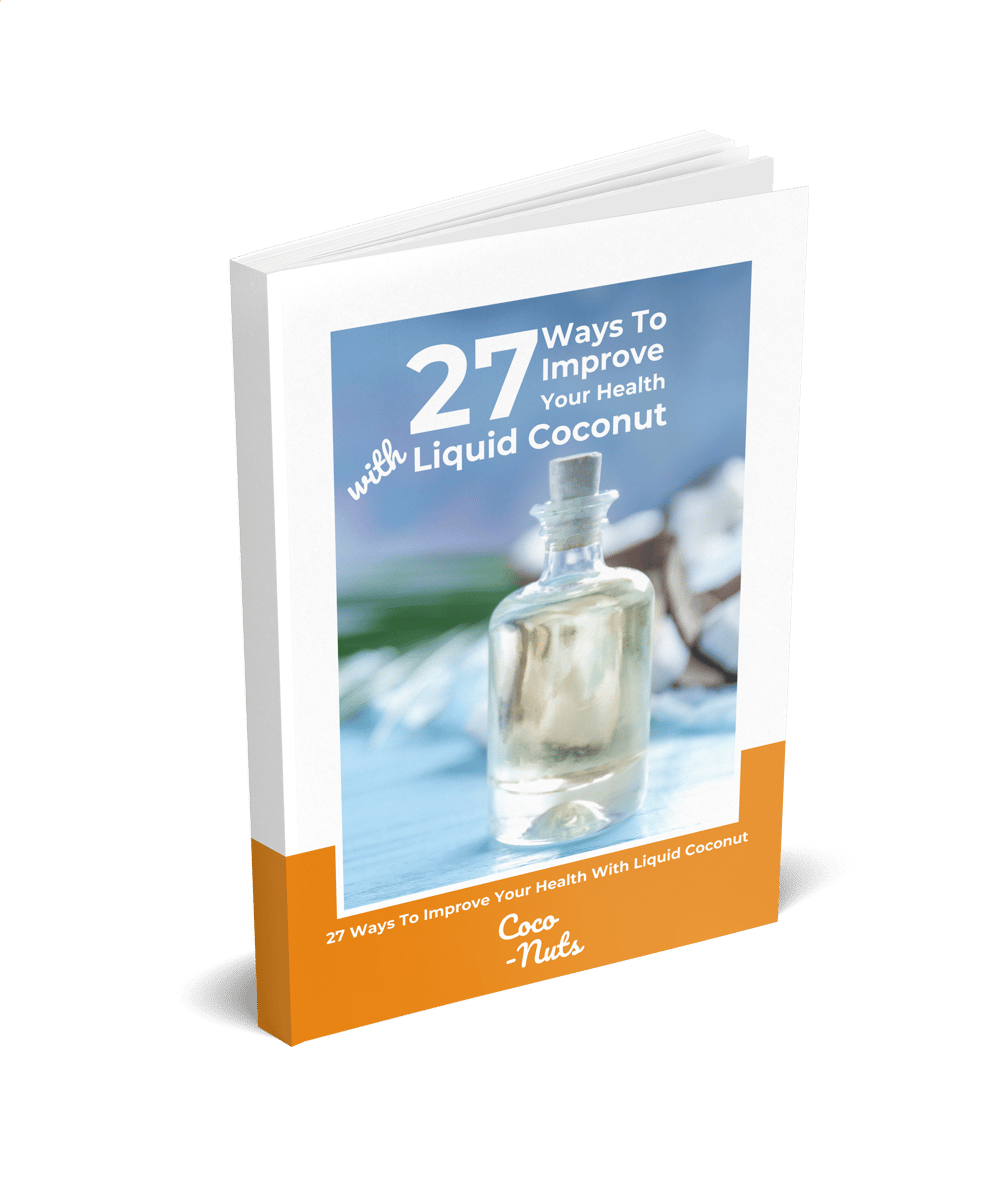
Come on... drop your email in the box below and get that eBook ASAP to learn
27 ways to improve your health with Liquid Coconut!
No worries, you’ll get only the real good stuff from us.
Get your eBook FREE of charge below!
Trans Fats: The Hidden Ingredient Every Home Cook Should Avoid
Wednesday, January 28, 2026
Trans Fats: The Hidden Ingredient Every Home Cook Should Avoid
The Silent Fat Sabotaging Your Heart, Hormones, and Health—Why Trans Fats Have No Place in Your Kitchen.
Walk down any grocery aisle, and you’ll find beautifully packaged snacks, flaky pastries, crispy fried foods, and convenient ready-to-eat meals. They look harmless… even delicious. But many of these products share a common hidden ingredient—one that nutrition experts unanimously warn against: trans fats.
Unlike the natural, nourishing fats your body needs, trans fats are artificial, inflammatory, and directly linked to chronic disease. They offer no health benefits, yet they linger in many everyday foods.
For home cooks and wellness enthusiasts, understanding trans fats is essential—not just for better cooking, but for long-term health.
Let’s break down what they are, where they come from, why they’re harmful, and how you can avoid them.
What Exactly Are Trans Fats?
Trans fats—also known as trans fatty acids—are a type of unsaturated fat that has been chemically altered to behave like saturated fat. This structural change happens through a process called hydrogenation, where hydrogen is added to liquid oils to make them solid and shelf-stable.
This is how food manufacturers turned cheap vegetable oil into products like:
- Margarine
- Shortening
- Industrial baking fats
- Frying oils that can be reused repeatedly
These man-made fats were originally created to improve texture, extend shelf life, and lower production costs. But researchers quickly discovered that trans fats act very differently inside the human body—and not in a good way.
It's important to note that while tiny amounts of naturally occurring trans fats exist in dairy and meat due to fermentation in the animal’s gut, these “natural trans fats” do not carry the same risks as industrial trans fats. The harmful ones are the artificial, industrially produced versions found in processed foods.
Why Are Trans Fats So Harmful? The Science Behind the Danger
Trans fats aren't just “unhealthy”—they are considered the most dangerous type of fat, even in small amounts. They disrupt the body’s natural fat metabolism and create inflammation at a cellular level.
Here’s what research has shown:
1. They Increase LDL (Bad) Cholesterol
Trans fats raise the level of low-density lipoprotein, encouraging plaque buildup in the arteries—a major risk factor for heart disease.
2. They Decrease HDL (Good) Cholesterol
Unlike saturated fats, which can sometimes raise both LDL and HDL, trans fats reduce your body’s protective HDL cholesterol, leaving the heart more vulnerable.
3. They Create Chronic Inflammation
Chronic inflammation is at the root of many conditions, including heart disease, diabetes, arthritis, and metabolic syndrome. Trans fats amplify inflammatory markers in the body.
4. They Affect Insulin Sensitivity
Studies show that trans fats interfere with insulin receptors, potentially increasing the risk of type 2 diabetes.
5. They Disrupt Cell Membrane Structure
Healthy cells require flexible, fluid membranes made from natural fats. Trans fats create stiff, poorly functioning membranes, affecting how cells communicate and repair themselves.
6. They Increase Risk of Heart Disease and Stroke
The link between trans fats and cardiovascular disease is so strong that many countries have heavily restricted or banned their use.
Trans fats are the only fats for which health experts recommend zero consumption.
Where Do Trans Fats Hide? Foods Home Cooks Should Watch Out For
Even though trans fats have been banned or restricted in many regions, they still appear in certain processed foods—especially in countries where regulations are looser or labeling loopholes exist.
Common sources include:
- Packaged Baked Goods
- Cookies
- Crackers
- Pastries
- Donuts
- Pie crusts
These products often rely on shortening or partially hydrogenated oils.
- Snack Foods
- Microwave popcorn
- Chips
- Flavored crackers
- Shelf-stable snacks
Many use trans fats to maintain crispness and prevent spoilage.
- Fried Foods
- Fast-food fries
- Fried chicken
- Deep-fried pastries
- Commercial fried snacks
Restaurants sometimes reuse the same oil repeatedly—perfect conditions for trans fat formation.
- Margarine & Shortening
Historically heavy in trans fats, though some modern versions have improved.
- Non-Dairy Creamers
Used to create that rich mouthfeel and long shelf life.
- Frozen Foods
- Frozen pizza
- Frozen pastries
- Instant biscuits and croissants
Always check the labels—many still use hydrogenated oils.
How to Identify Trans Fats on Labels
Here’s one of the biggest challenges:
Many labels claim “0g trans fats”, yet still contain them.
How?
Because regulations allow products to list zero grams if they contain less than 0.5g per serving. Manufacturers simply lower the listed serving size to hide the truth.
To spot hidden trans fats, look for these ingredients:
- “Partially hydrogenated oils”
- “Hydrogenated vegetable oil”
- “Shortening”
- “Margarine” (in some cases)
If any of these appear—even at the bottom of the list—it’s best to avoid the product.
Healthy Alternatives for the Home Cook
Luckily, you do not need trans fats to create delicious food. Many whole-food fats deliver incredible flavor and nutrition.
For Baking
- Butter (in moderation)
- Coconut oil
- Olive oil for certain cakes and muffins
- Avocado oil
- Nut butters for richness
For Frying or Searing
- Avocado oil
- Refined coconut oil
For Spreads
- Real butter
- Coconut oil spread
- Mashed avocado
- Olive oil dips
For Shelf-Stable Snacks
Choose options cooked in:
- Coconut oil
- Olive oil
- Avocado oil
There is always a clean, nourishing alternative to trans fats.
Conclusion: Understanding Trans Fats Helps You Protect Your Health—and Elevate Your Cooking
Trans fats may be small in quantity, but their impact on the body is enormous. They raise bad cholesterol, lower good cholesterol, increase inflammation, and significantly heighten the risk of chronic disease. For anyone who cooks at home, cares about their health, or wants to make conscious food choices, recognizing and avoiding trans fats is one of the most powerful steps you can take.
By learning how to read labels, recognizing common sources, and choosing healthier alternatives, you transform your kitchen into a place that supports your long-term wellness. You gain control—not just of your ingredients, but of your health, your energy, and your future.
And here’s the empowering truth:
You don’t need trans fats to create incredible flavor, satisfying textures, or memorable dishes.
Whole-food fats like coconut oil, olive oil, avocado oil, and naturally sourced butters can elevate every meal—while nourishing your body at the same time.
If you would like to learn more about the Tribe's Diet, how you can adhere to it, and what benefits it could bring you, be sure to follow us on your favorite social media or sign up for our Coco-Nuts Tribe Newsletter just down below.
Don’t forget that, by joining our Coco-Nuts Tribe Newsletter, you will receive my new FREE eBook – 27 Ways to Improve Your Health with Liquid Coconut.
I hope you enjoy it and talk to you next time!
Lenny Gee

Hi, I Am Lenny Gee
Co-Founder of Coco-Nuts.life
My love for nutrition and my passion for coconuts gave me this crazy idea to start this tropical adventure where we want to help you achieve wellness and enjoy life the way it should be.
FREE eBook
27 Ways To Improve Your Health With Liquid Coconut
Subscribe to our Tribe and receive our eBook FREE of cost.
Packed with useful recipes to guide you, and healthy benefits to inform you, this eBook makes it easier than ever for you to use our Liquid Coconut - totally FREE of charge.
Coco
-Nuts
Coco
-Nuts
Health ● Mind ● Body
Health ● Mind ● Body
Quick Links
© 2025 Coco-Nuts inc., ALL RIGHTS RESERVED
†These statement have not been evaluated by the Food & Drug Administration. This product do not intended to diagnose, treat, cure, or prevent any disease.
Information provided by this website or this company is not a substitute for individual medical advice.