Heyy... are you really leaving without your FREE eBook!?!
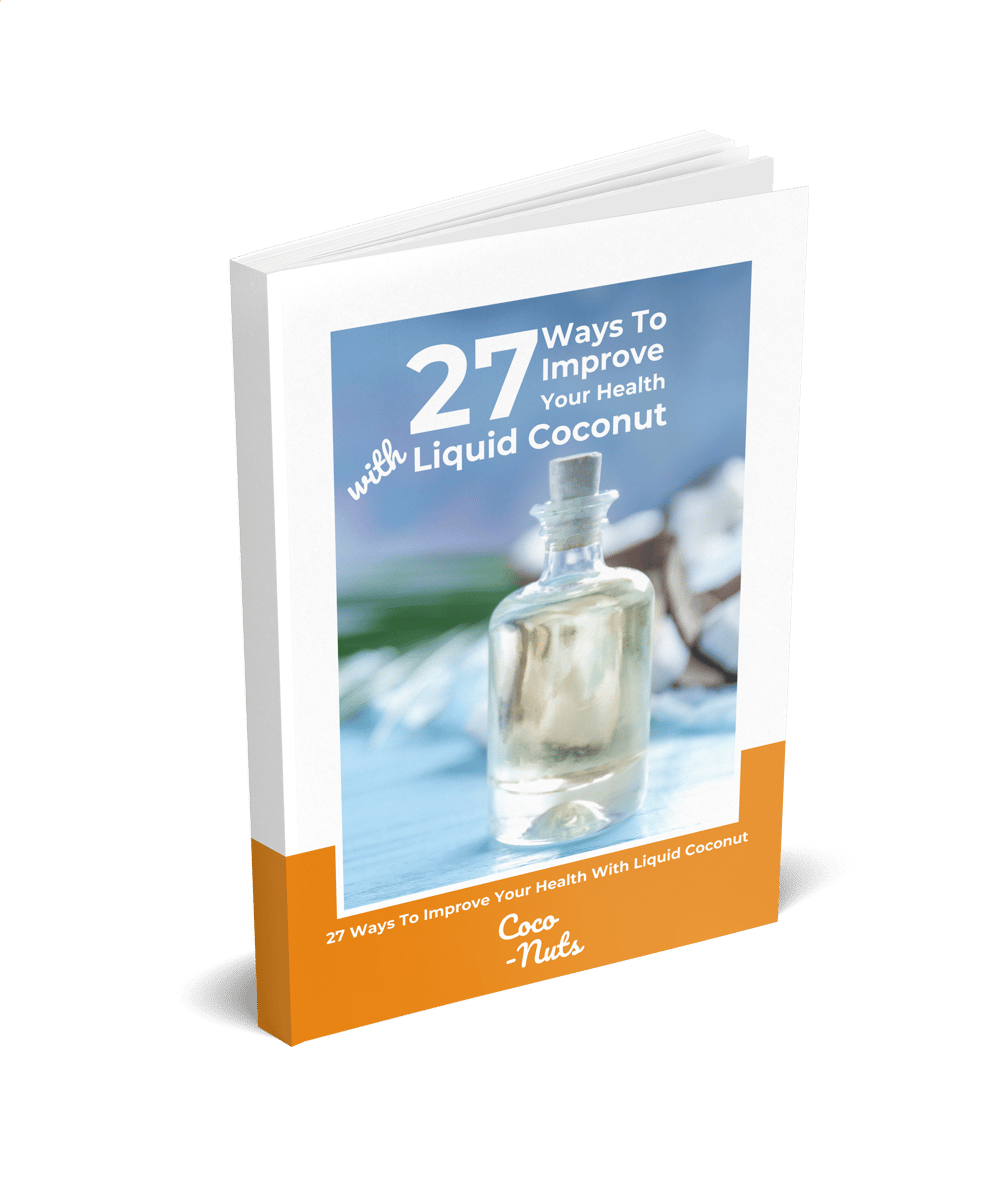
Come on... drop your email in the box below and get that eBook ASAP to learn
27 ways to improve your health with Liquid Coconut!
No worries, you’ll get only the real good stuff from us.
Get your eBook FREE of charge below!
Here’s The Main Characteristics Of Coconut Fat
Monday, April 07, 2025
Here’s The Main Characteristics Of Coconut Fat
Coconut fat, also known as coconut oil, is one of nature’s most versatile and unique fats. Extracted from the meat of mature coconuts, it has been a staple in tropical regions for centuries, used not only for cooking but also for medicinal, skincare, and hair care purposes. While the debate over fats and their impact on health continues, coconut fat stands out due to its exceptional properties, which make it distinct from other dietary fats.
Composition and Structure
One of the defining characteristics of coconut fat is its high saturated fat content. Unlike most plant-based oils, which are predominantly unsaturated, coconut fat is composed of approximately 90% saturated fats. This unique composition gives coconut fat its stability, resistance to oxidation, and long shelf life compared to polyunsaturated fats that can go rancid quickly.
But not all saturated fats are the same. A significant portion of coconut fat consists of medium-chain triglycerides (MCTs), particularly lauric acid, caprylic acid, and capric acid. These MCTs have a distinct metabolic pathway, making them easier to digest and rapidly converted into energy rather than stored as body fat. This is why coconut fat is often favored by athletes, individuals on ketogenic diets, and those looking to support metabolic health.
Solid at Room Temperature, Liquid When Warm
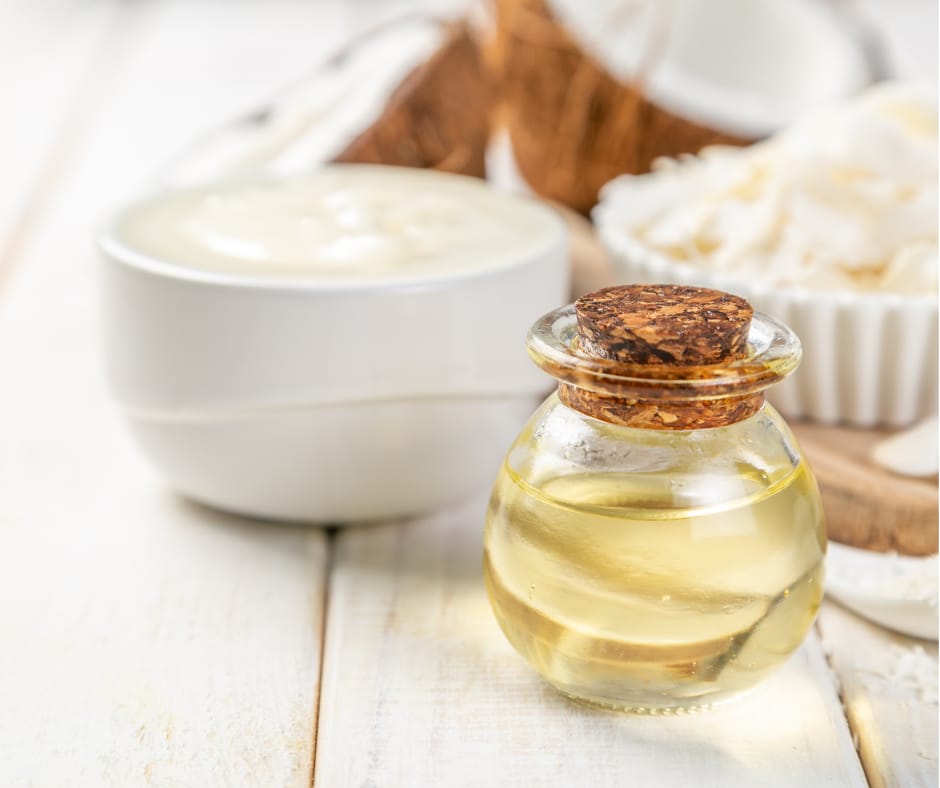
Another unique property of coconut fat is its melting point. It remains solid at temperatures below 76°F (24°C) and turns into a liquid when the temperature rises above this threshold. This characteristic makes it versatile in various culinary applications, as it can be used as both a spread and a cooking oil, depending on the climate and storage conditions.
The solid-to-liquid transformation also gives coconut fat an advantage in homemade natural beauty products. It can be whipped into a creamy texture for skincare or used in its liquid form as a nourishing hair oil.
Stability and Resistance to Oxidation
Coconut fat is highly resistant to oxidation and rancidity, which is a major benefit compared to polyunsaturated fats like soybean or corn oil. Due to its high saturated fat content, it does not easily break down when exposed to heat, light, or air. This makes it one of the best options for high-temperature cooking, such as frying and sautéing. Unlike many vegetable oils, which can form harmful free radicals when heated, coconut fat remains stable, reducing the risk of oxidative damage in the body.
Its long shelf life—often lasting up to two years without refrigeration—makes it an excellent pantry staple. This stability is also beneficial for packaged foods, as it naturally preserves baked goods and other coconut-based products without the need for artificial preservatives.
Antimicrobial and Anti-Inflammatory Properties
Lauric acid, a predominant fatty acid in coconut fat, is well known for its antimicrobial and anti-inflammatory effects. When consumed, lauric acid is converted into monolaurin, a compound that has been shown to combat bacteria, viruses, and fungi. This is one of the reasons why coconut fat has been traditionally used in natural remedies to support immune function, promote wound healing, and reduce skin infections.
Beyond its antimicrobial properties, coconut fat also contains antioxidants that help protect cells from damage. This makes it not only beneficial for internal health but also valuable for skincare, as it helps soothe inflammation, hydrate the skin, and prevent premature aging.
Digestibility and Energy Production
Unlike long-chain triglycerides (LCTs) found in most animal fats and vegetable oils, the MCTs in coconut fat are rapidly absorbed and used as an immediate energy source. Instead of requiring bile for digestion, MCTs bypass the traditional digestive process and are transported directly to the liver, where they are quickly converted into ketones or used as energy. This is particularly beneficial for individuals with digestive issues, as coconut fat provides a quick and easily digestible fuel source.
Because of this property, coconut fat is commonly used in ketogenic and low-carb diets, as it enhances ketone production and helps sustain energy levels throughout the day.
Aroma and Taste
Coconut fat has a distinct aroma and mild, slightly sweet taste, which varies depending on the processing method. Virgin coconut oil retains more of the fresh coconut flavor and scent, whereas refined coconut oil is processed to remove these natural characteristics, making it a more neutral option for cooking. The pleasant tropical aroma of unrefined coconut fat makes it a favorite in baking, desserts, and exotic cuisine.
Additionally, the richness of coconut fat enhances the texture of dishes, giving foods a creamy consistency that other plant-based oils cannot replicate. It can be blended into smoothies, stirred into coffee, or used in dairy-free recipes as a butter alternative.
Final Thoughts
Coconut fat is truly a unique and remarkable natural product. Its high saturated fat content, dominated by MCTs, provides rapid energy, supports immune function, and promotes metabolic health. Its resistance to oxidation makes it an ideal cooking fat, while its antimicrobial and anti-inflammatory properties offer additional health benefits. Whether used in the kitchen, in beauty routines, or as part of a holistic health regimen, coconut fat remains a valuable and versatile addition to a healthy lifestyle.
As more people recognize the importance of natural, unprocessed fats in their diet, coconut fat continues to be celebrated for its remarkable characteristics. By choosing high-quality, organic, and unrefined coconut fat, you can ensure that you are getting the purest form of this beneficial fat, free from harmful additives and processing techniques. So, whether you’re looking for an energy boost, a skincare remedy, or a stable cooking oil, coconut fat stands out as one of nature’s most powerful and versatile superfoods.
If you would like to learn more about coconut, its saturated fats, and the role it can play in your diet, be sure to follow us on your favorite social media or sign up for our Coco-Nuts Tribe newsletter just down below.
Don’t forget that, by joining our Coco-Nuts Tribe Newsletter, you will receive my new FREE eBook – 27 Ways to Improve Your Health with Liquid Coconut.
I hope you find my work useful and that we can work together to help you feel better.
Lenny Gee

Hi, I Am Lenny Gee
Co-Founder of Coco-Nuts.life
My love for nutrition and my passion for coconuts gave me this crazy idea to start this tropical adventure where we want to help you achieve wellness and enjoy life the way it should be.
FREE eBook
27 Ways To Improve Your Health With Liquid Coconut
Subscribe to our Tribe and receive our eBook FREE of cost.
Packed with useful recipes to guide you, and healthy benefits to inform you, this eBook makes it easier than ever for you to use our Liquid Coconut - totally FREE of charge.
Coco
-Nuts
Coco
-Nuts
Health ● Mind ● Body
Health ● Mind ● Body
Quick Links
© 2025 Coco-Nuts inc., ALL RIGHTS RESERVED
†These statement have not been evaluated by the Food & Drug Administration. This product do not intended to diagnose, treat, cure, or prevent any disease.
Information provided by this website or this company is not a substitute for individual medical advice.