Heyy... are you really leaving without your FREE eBook!?!

Come on... drop your email in the box below and get that eBook ASAP to learn
27 ways to improve your health with Liquid Coconut!
No worries, you’ll get only the real good stuff from us.
Get your eBook FREE of charge below!

Micro vs. Macronutrients: Key Differences and Why They Matter
Wednesday, October 22, 2025
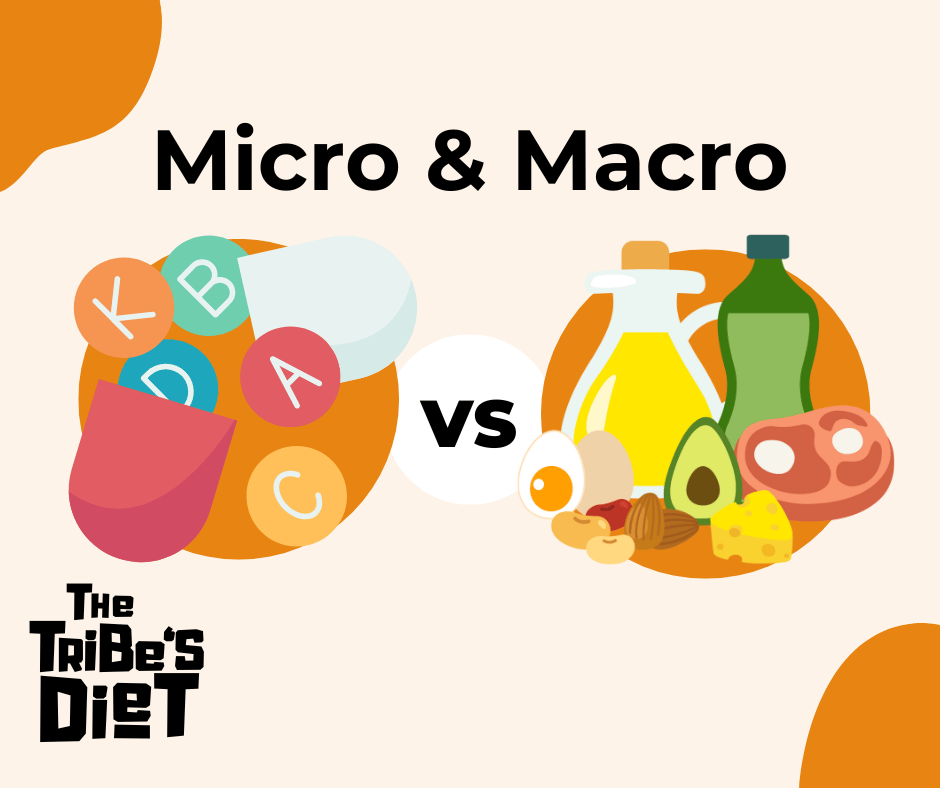
Micro vs. Macronutrients: Key Differences and Why They Matter
Know the difference between macronutrients and micronutrients — how they work, why they matter, and how to get enough of both in your diet.
Nutrition is the foundation of health, and it revolves around two essential categories of nutrients: macronutrients and micronutrients. While both are critical, they differ in quantity, function, and impact on your body. Knowing these differences can help you make better food choices, support energy, improve performance, and prevent deficiencies or chronic illnesses.
What Are Macronutrients?
Macronutrients are nutrients your body requires in large amounts, usually measured in grams, because they provide energy and structural support. The main macronutrients include carbohydrates, proteins, fats, and in some frameworks, water.
Carbohydrates are your body’s primary energy source. They break down into glucose, fueling the brain, muscles, and organs. Complex carbs like whole grains, legumes, fruits, and vegetables release energy slowly, supporting sustained performance and digestive health. Simple carbs, found in sugar and refined foods, provide quick energy but can cause blood sugar spikes and crashes.
Proteins are the building blocks of muscles, organs, enzymes, and hormones. They support tissue repair, immune function, and cellular processes. High-quality protein sources include eggs, lean meats, fish, dairy, legumes, and soy. Proteins are also crucial for satiety, helping regulate appetite and prevent overeating.
Fats play multiple roles beyond energy storage. They are essential for hormone production, nerve function, absorption of fat-soluble vitamins (A, D, E, K), and cell membrane integrity. Healthy fats come from sources like nuts, seeds, avocado, olive oil, and coconut oil.
Water is often considered a macronutrient due to its necessity in large quantities. It regulates temperature, transports nutrients, removes waste, and supports biochemical reactions.
Macronutrients provide energy in the form of calories: 4 kcal per gram for carbohydrates and proteins, and 9 kcal per gram for fats. Proper balance of macronutrients is critical for energy levels, body composition, and overall health.
What Are Micronutrients?
Micronutrients are nutrients needed in small amounts, usually milligrams or micrograms, but they are essential for optimal physiological function. This category includes vitamins and minerals.
Vitamins are organic compounds that regulate metabolism, support immunity, and maintain tissue and organ function. Examples include:
- Vitamin C: Supports collagen synthesis, immune function, and antioxidant protection.
- Vitamin D: Essential for calcium absorption, bone health, and immune regulation.
- B Vitamins: Involved in energy metabolism, nerve function, and red blood cell formation.
Minerals are inorganic elements that provide structural and regulatory support. Examples include:
- Calcium: Builds strong bones and teeth, supports muscle function.
- Iron: Critical for oxygen transport in blood and energy production.
- Magnesium and Potassium: Regulate muscle contractions, nerve signals, and cardiovascular health.
Unlike macronutrients, micronutrients do not provide energy directly, but without them, metabolic processes, enzyme activity, and overall body function are compromised. Deficiencies can lead to serious health issues such as anemia, osteoporosis, fatigue, or immune dysfunction.
Main Differences Between Micro and Macronutrients
Understanding the distinction between these nutrient types is essential:
- Quantity: Macronutrients are needed in large amounts (grams); micronutrients are required in small amounts (milligrams or micrograms).
- Energy Contribution: Macronutrients provide calories; micronutrients do not provide energy but are critical for metabolic processes that generate energy.
- Function: Macronutrients supply fuel and structural components, while micronutrients regulate chemical reactions, support organ function, and maintain cellular processes.
- Sources: Macronutrients come from staples like grains, meats, oils, and legumes, whereas micronutrients are concentrated in fruits, vegetables, nuts, seeds, and fortified foods.
Why Both Are Essential for Health
Macronutrients and micronutrients are interdependent. For example, proteins provide amino acids to build enzymes, but many enzyme-driven reactions require micronutrients like zinc or magnesium. Similarly, carbohydrates supply energy, but vitamin B1 (thiamine) is required to metabolize glucose efficiently.
A diet lacking in macronutrients may lead to energy depletion, muscle loss, and impaired growth, while insufficient micronutrients can cause chronic deficiencies, impaired immunity, or metabolic dysfunction. For optimal health, both must be included in the right balance.
Practical Tips for Balancing Macro and Micronutrients
- Eat a variety of whole foods: Incorporate fruits, vegetables, whole grains, lean proteins, and healthy fats to cover both nutrient types.
- Prioritize nutrient density: Choose foods high in vitamins and minerals relative to their caloric content.
- Monitor macronutrient intake: Adjust protein, fat, and carbohydrate ratios based on activity level, goals, and health conditions.
- Consider supplementation if necessary: Certain micronutrients, like vitamin D, B12, or iron, may require supplements if dietary intake is insufficient.
- Plan balanced meals: Combine macronutrients and micronutrients in every meal to maintain energy, support metabolism, and optimize health.
Bottom Line
Macronutrients and micronutrients are both critical for life, but they serve different functions. Macronutrients provide energy and structural components, while micronutrients regulate metabolic processes and maintain optimal body function. Understanding these differences allows you to make smarter dietary choices, improve energy, prevent deficiencies, and support overall wellness.
If you would like to learn more about the Tribe's Diet, how you can adhere to it, and what benefits it could bring you, be sure to follow us on your favorite social media or sign up for our Coco-Nuts Tribe Newsletter just down below.
Don’t forget that, by joining our Coco-Nuts Tribe Newsletter, you will receive my new FREE eBook – 27 Ways to Improve Your Health with Liquid Coconut.
I hope you enjoy it and talk to you next time!
Lenny Gee

Hi, I Am Lenny Gee
Co-Founder of Coco-Nuts.life
My love for nutrition and my passion for coconuts gave me this crazy idea to start this tropical adventure where we want to help you achieve wellness and enjoy life the way it should be.
FREE eBook
27 Ways To Improve Your Health With Liquid Coconut
Subscribe to our Tribe and receive our eBook FREE of cost.
Packed with useful recipes to guide you, and healthy benefits to inform you, this eBook makes it easier than ever for you to use our Liquid Coconut - totally FREE of charge.
Coco
-Nuts
Coco
-Nuts
Health ● Mind ● Body
Health ● Mind ● Body
Quick Links
© 2025 Coco-Nuts inc., ALL RIGHTS RESERVED
†These statement have not been evaluated by the Food & Drug Administration. This product do not intended to diagnose, treat, cure, or prevent any disease.
Information provided by this website or this company is not a substitute for individual medical advice.