Heyy... are you really leaving without your FREE eBook!?!
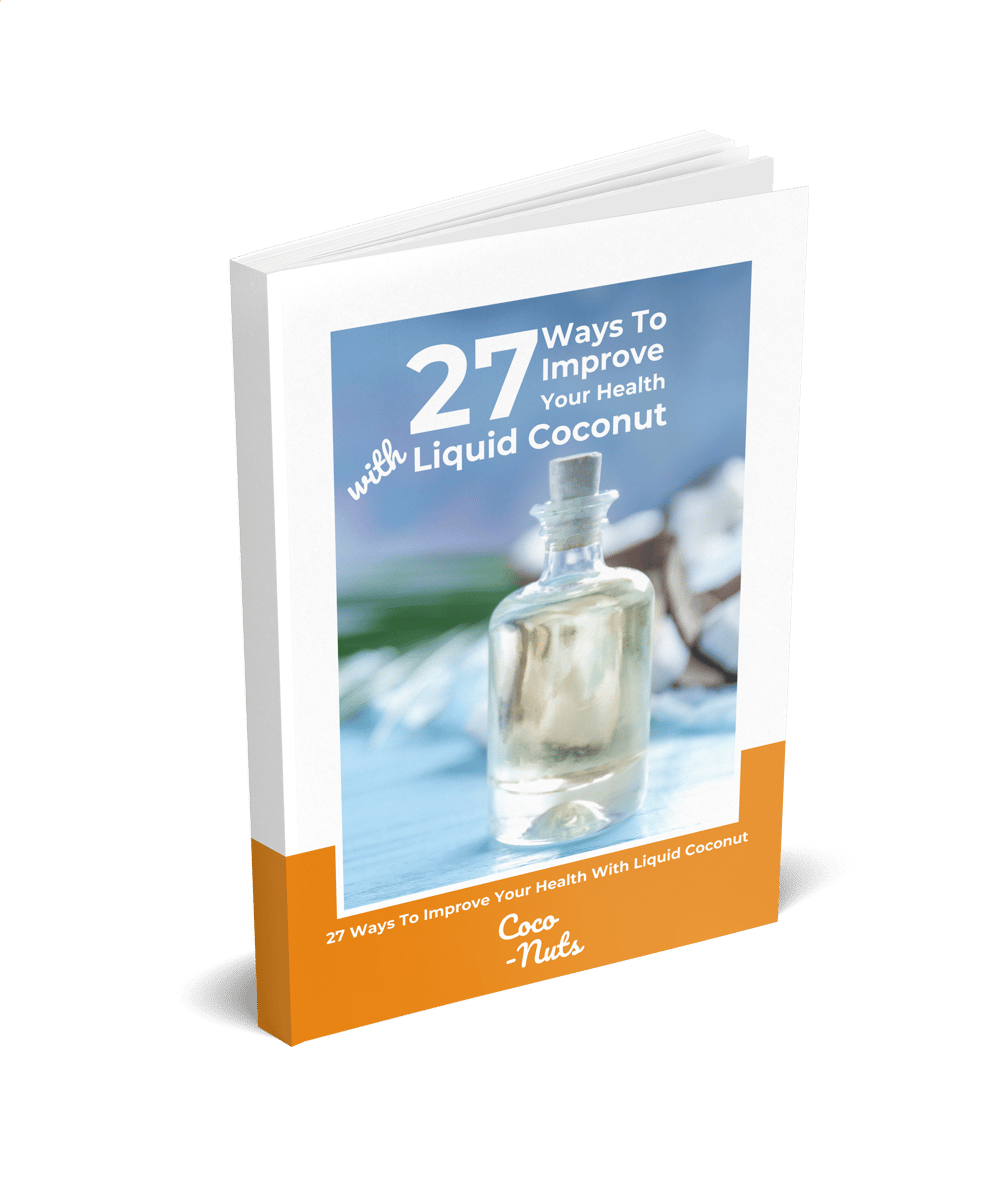
Come on... drop your email in the box below and get that eBook ASAP to learn
27 ways to improve your health with Liquid Coconut!
No worries, you’ll get only the real good stuff from us.
Get your eBook FREE of charge below!

Is Coconut Oil Healthy or Harmful? The Truth Behind the Nutrition Debate
Monday, September 22, 2025

Is Coconut Oil Healthy or Harmful? The Truth Behind the Nutrition Debate
Why Is Coconut Oil Controversial? Understanding the Criticisms Behind the Tropical Superfat
Coconut oil has enjoyed a meteoric rise in popularity among home cooks and wellness enthusiasts alike, celebrated for its unique fats, cooking versatility, and potential health benefits. Yet, despite this acclaim, it remains one of the most debated fats in nutrition circles. Some experts warn against its use, labeling it as unhealthy or even dangerous. This contradiction can be confusing for consumers trying to make informed choices.
In this article, we unpack the reasons why coconut oil is considered “bad” by some and explore the science behind these concerns. Understanding both sides of the debate will empower you to decide how—and whether—coconut oil fits into your healthy lifestyle.
Saturated Fat Content: The Core of the Criticism
The primary source of concern stems from coconut oil’s exceptionally high saturated fat content, which makes up about 90% of its fat profile. Saturated fats have historically been linked to increased levels of LDL (“bad”) cholesterol, a risk factor for cardiovascular disease.
Major health organizations, such as the American Heart Association, caution against consuming saturated fats in excess and recommend limiting coconut oil intake in favor of unsaturated fats like olive or canola oil. Critics argue that its saturated fat content could contribute to arterial plaque buildup and heart disease.
Conflicting Research and Interpretations
Part of the controversy arises from mixed and evolving research results. Some studies show coconut oil can raise HDL (“good”) cholesterol, and may have a neutral or even slightly beneficial effect on lipid profiles for some people. However, other research continues to associate saturated fats with increased cardiovascular risk.
The variability often depends on factors such as individual genetics, overall diet, lifestyle, and whether coconut oil is replacing more harmful fats like trans fats or processed seed oils.
Overhyped Marketing and Misconceptions
Coconut oil’s rise has been fueled in part by marketing that sometimes exaggerates its benefits, calling it a “superfood” or cure-all. This can create unrealistic expectations and skepticism alike.
Some critics see this as a form of health hype, warning consumers to be cautious and not substitute coconut oil for evidence-backed therapies or well-established heart-healthy fats without considering the broader context.
Processing and Quality Concerns
Not all coconut oils are created equal. Refined, bleached, and deodorized coconut oils can lose many of their natural nutrients and may contain residues from chemical processing. Low-quality or heavily processed products may contribute to negative health perceptions.
Choosing virgin, cold-pressed, and minimally processed coconut oil is essential to reap potential benefits while avoiding additives or harmful residues.
The Broader Nutritional Context Matters
Many nutrition experts emphasize that no single food, including coconut oil, determines health outcomes on its own. Instead, overall dietary patterns, physical activity, and lifestyle factors play the most significant roles.
Coconut oil’s impact may be minimal or even beneficial when consumed in moderation within a balanced diet rich in whole foods, fiber, and unsaturated fats.
Conclusion: Navigating the Coconut Oil Debate with Informed Perspective
The debate over coconut oil’s health effects is complex and ongoing. While concerns about its saturated fat content and cardiovascular risk are valid, these issues must be weighed against emerging evidence and individual dietary context.
The best approach is moderation, quality selection, and integration within a diverse, nutrient-rich diet. Avoiding extremes—whether demonizing or idealizing coconut oil—allows you to enjoy its culinary and potential health benefits safely and mindfully.
If you would like to learn more about coconut, its saturated fats, and the role it can play in your diet, be sure to follow us on your favorite social media or sign up for our Coco-Nuts Tribe newsletter just down below.
Don’t forget that, by joining our Coco-Nuts Tribe Newsletter, you will receive my new FREE eBook – 27 Ways to Improve Your Health with Liquid Coconut.
I hope you find my work useful and that we can work together to help you feel better.
Lenny Gee

Hi, I Am Lenny Gee
Co-Founder of Coco-Nuts.life
My love for nutrition and my passion for coconuts gave me this crazy idea to start this tropical adventure where we want to help you achieve wellness and enjoy life the way it should be.
FREE eBook
27 Ways To Improve Your Health With Liquid Coconut
Subscribe to our Tribe and receive our eBook FREE of cost.
Packed with useful recipes to guide you, and healthy benefits to inform you, this eBook makes it easier than ever for you to use our Liquid Coconut - totally FREE of charge.
Coco
-Nuts
Coco
-Nuts
Health ● Mind ● Body
Health ● Mind ● Body
Quick Links
© 2025 Coco-Nuts inc., ALL RIGHTS RESERVED
†These statement have not been evaluated by the Food & Drug Administration. This product do not intended to diagnose, treat, cure, or prevent any disease.
Information provided by this website or this company is not a substitute for individual medical advice.