Heyy... are you really leaving without your FREE eBook!?!
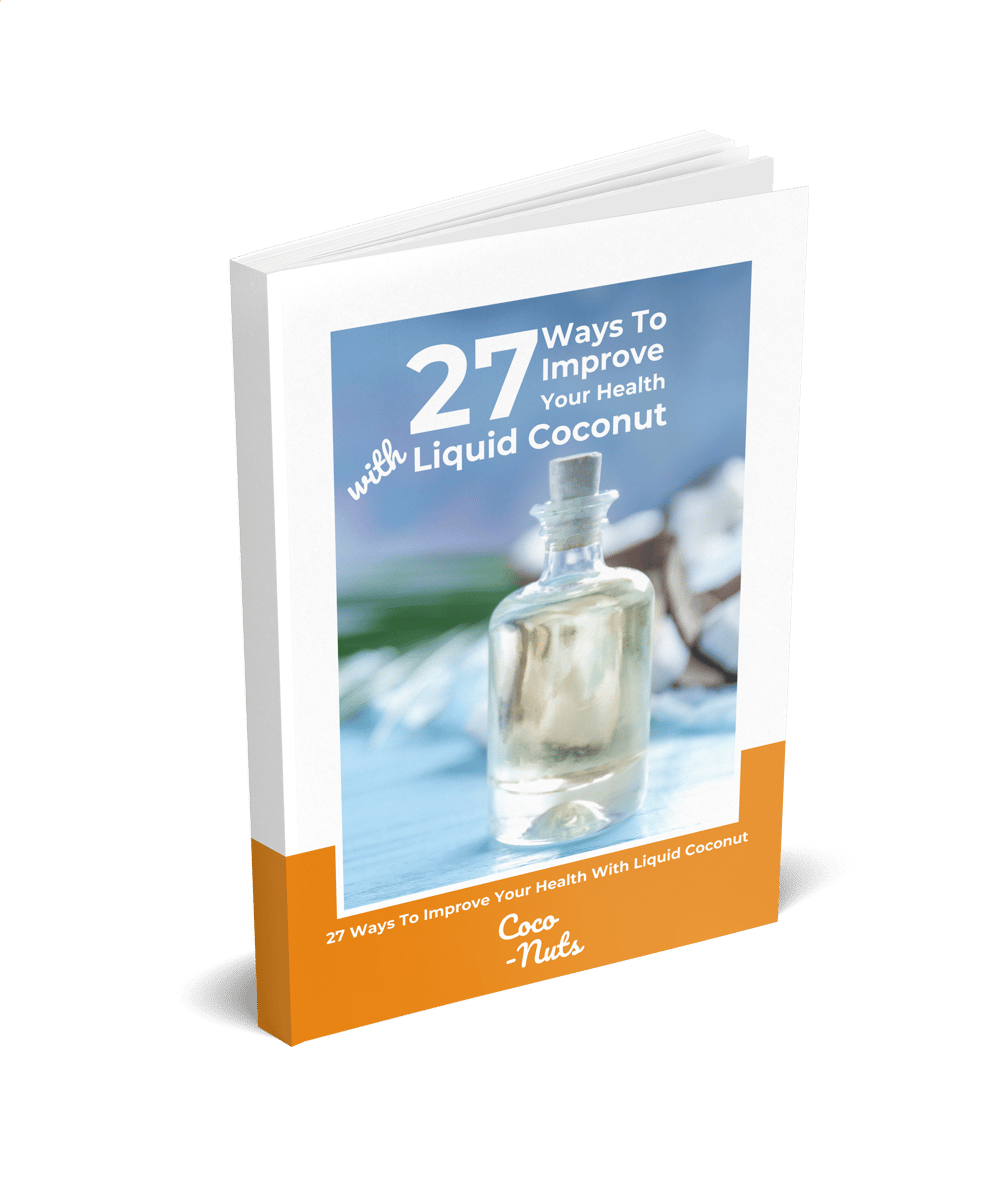
Come on... drop your email in the box below and get that eBook ASAP to learn
27 ways to improve your health with Liquid Coconut!
No worries, you’ll get only the real good stuff from us.
Get your eBook FREE of charge below!

How To Reduce Your Risk Of Inflammation With The Use Of Coconut Fat
Monday, June 09, 2025

How To Reduce Your Risk Of Inflammation With The Use Of Coconut Fat
Coconut Fat and Inflammation: A Natural Ally for a Healthier You
Inflammation is your body’s natural defense mechanism against injury and infection. It helps isolate harmful invaders and start the healing process. However, when inflammation becomes chronic—lingering for weeks, months, or even years—it becomes a silent saboteur of your health. Chronic inflammation is a root cause or contributor to many major diseases, including:
- Cardiovascular disease;
- Type 2 diabetes;
- Alzheimer’s and other neurodegenerative diseases;
- Rheumatoid arthritis and joint pain;
- Digestive disorders like Crohn’s disease and IBS.
Fortunately, nature provides us with powerful anti-inflammatory tools—one of the most effective and accessible being coconut oil.
In this comprehensive guide, we’ll explore how coconut oil works to reduce inflammation, which compounds are responsible, the science behind its effectiveness, and how you can use it safely and effectively in your daily wellness routine.
The Power of Medium-Chain Triglycerides (MCTs)
Coconut oil is rich in medium-chain triglycerides (MCTs)—a form of fat that behaves differently from the long-chain fats found in vegetable oils or animal products.
The most important MCTs in coconut oil are:
- Lauric acid (C12): Has antibacterial, antiviral, and anti-inflammatory properties;
- Caprylic acid (C8) and Capric acid (C10): Fast-absorbing, energy-boosting fats that support gut health and reduce systemic inflammation.
Unlike other fats, MCTs are absorbed directly into the liver, quickly converted into ketones, and used as an efficient energy source. Ketones themselves may also have neuroprotective and anti-inflammatory effects, particularly in the brain and nervous system.
How Coconut Oil Targets Inflammation at the Source
Several mechanisms make coconut oil effective in fighting inflammation:
A. Suppressing Pro-Inflammatory Cytokines
Cytokines are signaling molecules released by immune cells during inflammation. Chronic overproduction of cytokines can lead to tissue damage and disease. Studies show that coconut oil reduces levels of these harmful cytokines, particularly TNF-α, IL-6, and CRP—three key drivers of chronic inflammation.
B. Antimicrobial Action to Reduce Hidden Infections
Many chronic health issues stem from low-grade infections or imbalances in gut bacteria. Lauric acid in coconut oil breaks down into monolaurin, a compound with strong antimicrobial effects against harmful bacteria, viruses, and fungi. This can relieve immune system overactivation caused by chronic infections.
C. Gut Health and the Inflammation Connection
Your gut is home to trillions of bacteria and is a central hub of immune activity. Coconut oil helps:
- Promote beneficial gut flora;
- Reduce leaky gut syndrome (intestinal permeability);
- Minimize inflammation caused by dietary irritants or pathogens.
A healthy gut leads to a more balanced immune response and less systemic inflammation.
D. Reducing Oxidative Stress
Coconut oil contains powerful antioxidants like polyphenols, ferulic acid, and vitamin E, which neutralize free radicals and reduce oxidative stress—a major contributor to chronic inflammation and cellular aging.
Coconut Oil in Inflammatory Health Conditions
Coconut oil has shown promise in helping manage several inflammatory conditions:
Arthritis and Joint Pain
- Animal studies show coconut oil reduces joint swelling, cartilage erosion, and inflammatory markers;
- Topical application may help relieve joint stiffness and muscle soreness.
Digestive Disorders (IBS, IBD)
- Coconut oil soothes inflammation in the digestive tract and supports a healthy microbiome;
- Its antimicrobial action helps fight pathogens like Candida albicans and H. pylori.
Skin Inflammation (Eczema, Psoriasis)
- Topical coconut oil helps reduce redness, itching, and bacterial overgrowth on the skin;
- Provides a protective barrier to retain moisture and reduce flare-ups.
Neurological Inflammation (Alzheimer’s, Brain Fog)
- MCTs supply the brain with ketones, an alternative energy source that reduces oxidative stress and inflammation in the brain.
- May improve cognitive clarity and memory over time.
How to Use Coconut Oil for Inflammation
Daily Dietary Use:
- Start with 1 teaspoon per day, increasing gradually to 1–2 tablespoons;
- Use for sautéing vegetables, frying eggs, or baking in place of processed oils;
- Add to smoothies, coffee, or herbal tea;
- Mix into oatmeal or spread on toast instead of butter.
Topical Application:
- Use a thin layer on inflamed, dry, or itchy skin;
- Mix with essential oils like lavender or tea tree for enhanced relief;
- Apply to joints or sore muscles after physical activity.
Supplement Form:
- Consider pure MCT oil if targeting brain inflammation or neurological support.
Best Choice: Always use organic, cold-pressed, unrefined virgin coconut oil to ensure maximum nutrient content and effectiveness.
Safety and Considerations
Moderation is key: While coconut oil is healthy, it is calorie-dense. Stick to 1–2 tablespoons per day.
Cholesterol monitoring: Some individuals may see changes in LDL or total cholesterol. Monitor levels if you have a history of heart disease.
Allergies and sensitivities: Rare but possible. Start small to assess tolerance.
Therapeutic consistency: For chronic inflammation, consistent daily intake for several weeks or months may be needed to see results.
Final Thoughts: A Natural Anti-Inflammatory You Can Trust
Coconut oil offers a rich combination of anti-inflammatory fatty acids, antioxidants, and antimicrobial compounds. Its ability to target multiple sources of inflammation—from the gut to the skin to the brain—makes it one of the most versatile natural remedies for supporting long-term health.
If you’re looking to reduce chronic inflammation through your diet and lifestyle, coconut oil is a smart, effective addition. Combined with other anti-inflammatory practices—like a Mediterranean-style diet, stress management, exercise, and quality sleep—it can help you move toward a more vibrant, pain-free life.
Your body thrives in a low-inflammation environment. Start today by making coconut oil part of your daily routine.
If you would like to learn more about coconut, its saturated fats, and the role it can play in your diet, be sure to follow us on your favorite social media or sign up for our Coco-Nuts Tribe newsletter just down below.
Don’t forget that, by joining our Coco-Nuts Tribe Newsletter, you will receive my new FREE eBook – 27 Ways to Improve Your Health with Liquid Coconut.
Take care and talk to you next time!
Lenny Gee

Hi, I Am Lenny Gee
Co-Founder of Coco-Nuts.life
My love for nutrition and my passion for coconuts gave me this crazy idea to start this tropical adventure where we want to help you achieve wellness and enjoy life the way it should be.
FREE eBook
27 Ways To Improve Your Health With Liquid Coconut
Subscribe to our Tribe and receive our eBook FREE of cost.
Packed with useful recipes to guide you, and healthy benefits to inform you, this eBook makes it easier than ever for you to use our Liquid Coconut - totally FREE of charge.
Coco
-Nuts
Coco
-Nuts
Health ● Mind ● Body
Health ● Mind ● Body
Quick Links
© 2025 Coco-Nuts inc., ALL RIGHTS RESERVED
†These statement have not been evaluated by the Food & Drug Administration. This product do not intended to diagnose, treat, cure, or prevent any disease.
Information provided by this website or this company is not a substitute for individual medical advice.