Heyy... are you really leaving without your FREE eBook!?!
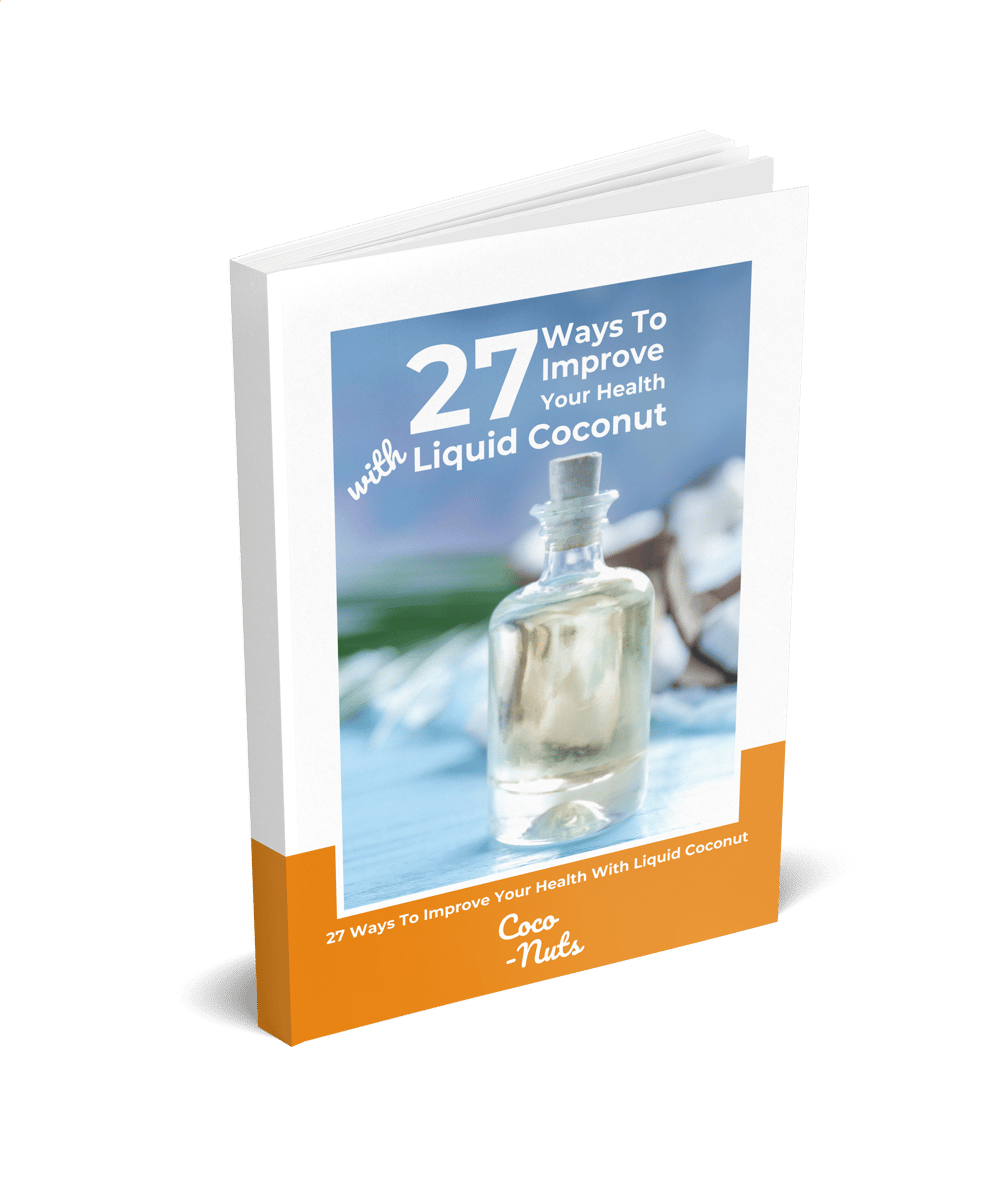
Come on... drop your email in the box below and get that eBook ASAP to learn
27 ways to improve your health with Liquid Coconut!
No worries, you’ll get only the real good stuff from us.
Get your eBook FREE of charge below!
How Organic, Non-GMO Coconut Fat Is Harvested And Processed
Monday, April 21, 2025
How Organic, Non-GMO Coconut Fat Is Harvested And Processed
The Harvesting Process of Organic and NON-GMO Coconut Fat
Coconut fat, often praised for its health benefits and versatility, originates from a meticulous harvesting process that ensures purity and sustainability. The journey from coconut tree to the final jar of coconut oil involves several intricate steps, especially when prioritizing organic and NON-GMO standards. The process is deeply rooted in traditional farming techniques, ethical practices, and environmentally responsible approaches that maintain the integrity of the coconut fat.
Cultivating Organic and NON-GMO Coconuts
The journey of organic coconut fat begins with the cultivation of high-quality coconuts. Unlike conventional coconut farming, organic and NON-GMO coconut cultivation avoids synthetic pesticides, herbicides, and genetically modified organisms. Farmers rely on natural methods such as composting, crop rotation, and intercropping to maintain soil fertility and protect coconut palms from pests and diseases.
Sustainable farms typically cultivate coconut trees in tropical regions where the climate is warm and humid, providing the ideal conditions for growth. These farms often practice agroforestry, integrating coconut trees with other crops to create a biodiverse ecosystem that enhances soil health and promotes sustainable farming.
Harvesting the Coconuts
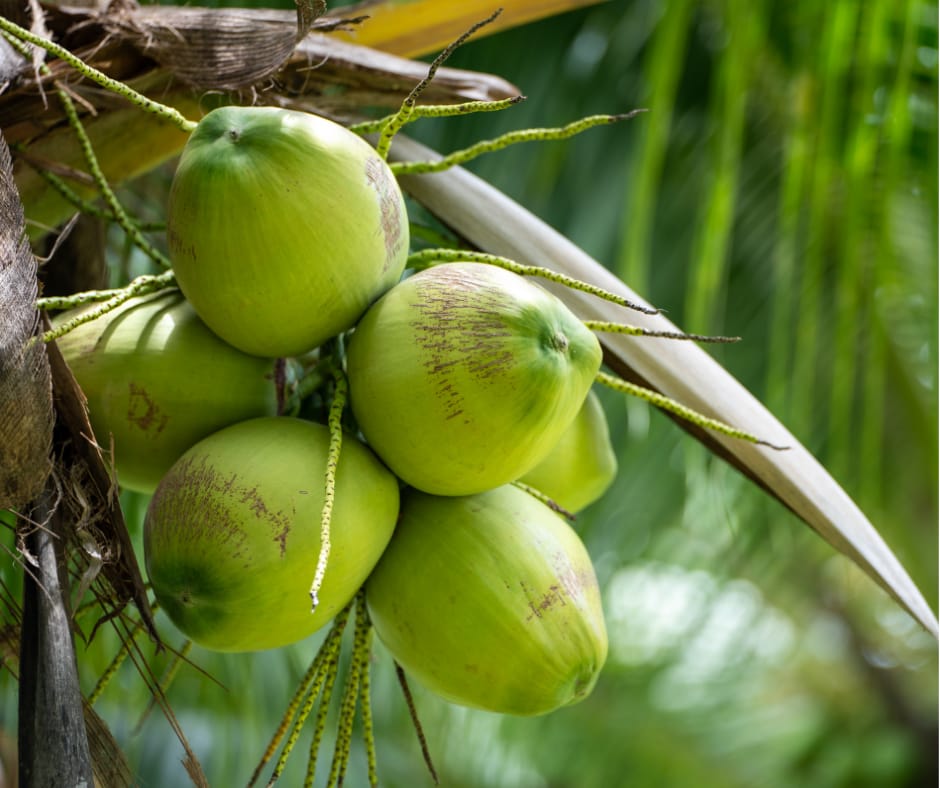
Harvesting coconuts for organic and NON-GMO coconut fat is a labor-intensive process that requires skill and precision. Unlike mass-production farms that use mechanized methods, organic coconut farms prioritize traditional and ethical harvesting techniques.
Coconuts are typically harvested by skilled climbers who scale the tall coconut trees to carefully pick mature coconuts. These climbers use sharp machetes or specially designed harvesting tools to cut the coconuts from the tree without damaging the plant. Some farms also train monkeys to assist in harvesting, though ethical concerns have led many organic farms to rely solely on human labor.
The timing of the harvest is crucial. Mature coconuts, which contain the highest quality oil, are selected based on their color, size, and water content. Unlike younger coconuts, which are primarily used for their water, mature coconuts have developed a thick, oil-rich flesh that is ideal for extraction.
Processing the Coconuts for Oil Extraction
Once harvested, the coconuts are transported to processing facilities where they undergo a series of steps to extract their rich, nutritious fat. The first step involves husking the coconuts to remove the tough outer shell. This is usually done manually with traditional tools or, in some cases, using mechanical husking machines.
After husking, the coconuts are cracked open to reveal the white coconut meat inside. The meat is then carefully separated from the shell and washed to remove any impurities. At this stage, the coconut meat is either dried or used fresh, depending on the extraction method.
Cold-Pressed Extraction
For virgin and organic coconut fat, the cold-pressed method is often preferred. This method involves pressing the fresh coconut meat to extract oil without using heat or chemicals. The cold-pressed technique preserves the natural nutrients, aroma, and flavor of the coconut fat, resulting in a high-quality, unrefined oil that retains its beneficial properties.
Expeller-Pressed and Centrifuge Extraction
Other organic extraction methods include expeller-pressed and centrifuge techniques. Expeller-pressed coconut fat is produced by mechanically pressing dried coconut meat, known as copra, to extract the oil. Centrifuge extraction, on the other hand, involves using high-speed spinning to separate the oil from fresh coconut milk, ensuring a pure and light-textured oil.
Regardless of the extraction method, organic coconut fat is never refined, bleached, or deodorized, ensuring it maintains its original nutritional value and chemical-free purity.
Quality Control and Certification
To meet organic and NON-GMO standards, coconut fat must undergo rigorous quality control measures. Organic certification bodies, such as USDA Organic, EU Organic, and other regulatory organizations, inspect farms and processing facilities to ensure compliance with strict guidelines.
Samples of the coconut fat are tested for contaminants, including pesticides, heavy metals, and microbial impurities. Any product that does not meet the stringent organic and NON-GMO criteria is rejected or reprocessed to maintain purity and quality.
Traceability is also an essential aspect of organic coconut fat production. Each batch is carefully documented from farm to final packaging, ensuring transparency and accountability throughout the supply chain.
Sustainability and Ethical Practices
One of the core values of organic and NON-GMO coconut fat production is sustainability. Many organic coconut farms are small, family-run operations that prioritize ethical farming and fair trade practices. Farmers receive fair wages and work under humane conditions, ensuring that the coconut industry supports local communities.
In addition to ethical labor practices, organic coconut farms emphasize environmental sustainability. They avoid deforestation, minimize water usage, and implement waste-reduction strategies. The byproducts of coconut processing, such as coconut husks and shells, are often repurposed as fuel, animal feed, or organic compost.
Final Thoughts
The harvesting process of organic and NON-GMO coconut fat is a meticulous journey that begins with sustainable farming and ends with a pure, high-quality product. Unlike conventional coconut oil production, which may involve chemicals, genetic modification, and unsustainable practices, organic coconut fat adheres to strict ethical and environmental standards.
From the careful selection of mature coconuts to the gentle cold-pressing extraction methods, every step is designed to preserve the nutritional integrity of the oil. The result is a wholesome, natural fat that supports health, sustainability, and ethical trade. Whether used for cooking, skincare, or wellness, organic and NON-GMO coconut fat is a testament to the power of natural, unadulterated nutrition.
If you would like to learn more about coconut, its saturated fats, and the role it can play in your diet, be sure to follow us on your favorite social media or sign up for our Coco-Nuts Tribe newsletter just down below.
Don’t forget that, by joining our Coco-Nuts Tribe Newsletter, you will receive my new FREE eBook – 27 Ways to Improve Your Health with Liquid Coconut.
Take care and let the coconut craze take over you.
Lenny Gee

Hi, I Am Lenny Gee
Co-Founder of Coco-Nuts.life
My love for nutrition and my passion for coconuts gave me this crazy idea to start this tropical adventure where we want to help you achieve wellness and enjoy life the way it should be.
FREE eBook
27 Ways To Improve Your Health With Liquid Coconut
Subscribe to our Tribe and receive our eBook FREE of cost.
Packed with useful recipes to guide you, and healthy benefits to inform you, this eBook makes it easier than ever for you to use our Liquid Coconut - totally FREE of charge.
Coco
-Nuts
Coco
-Nuts
Health ● Mind ● Body
Health ● Mind ● Body
Quick Links
© 2025 Coco-Nuts inc., ALL RIGHTS RESERVED
†These statement have not been evaluated by the Food & Drug Administration. This product do not intended to diagnose, treat, cure, or prevent any disease.
Information provided by this website or this company is not a substitute for individual medical advice.