Heyy... are you really leaving without your FREE eBook!?!
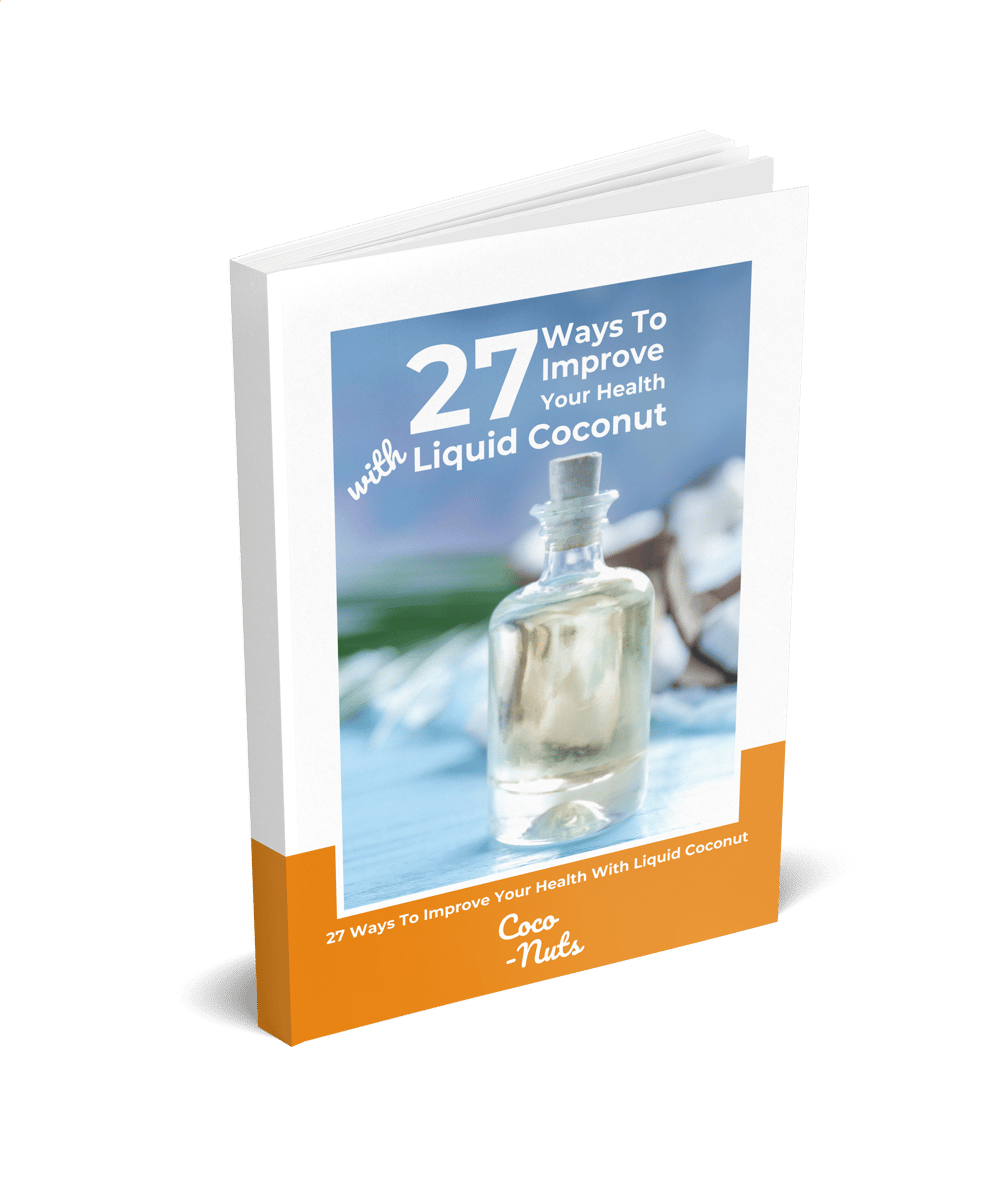
Come on... drop your email in the box below and get that eBook ASAP to learn
27 ways to improve your health with Liquid Coconut!
No worries, you’ll get only the real good stuff from us.
Get your eBook FREE of charge below!

How Coconut Oil Reduces Symptoms of Irritable Bowel Syndrome (IBS): A Science-Based Guide
Monday, November 24, 2025

How Coconut Oil Reduces Symptoms of Irritable Bowel Syndrome (IBS): A Science-Based Guide
Bloating, cramps, and unpredictable bowel movements can make life with IBS exhausting. What if a natural, nutrient-rich fat could help calm your gut, support digestion, and ease your symptoms? Coconut oil may be the simple solution you’ve been looking for.
Irritable Bowel Syndrome (IBS) is a chronic gastrointestinal disorder that affects millions worldwide. Symptoms often include:
- Abdominal pain and cramping
- Bloating and excessive gas
- Diarrhea, constipation, or alternating bowel habits
- Nausea and digestive discomfort
IBS is complex, influenced by gut microbiota imbalances, intestinal inflammation, nervous system regulation, and dietary triggers. Traditional treatments often provide partial relief, prompting many people to explore natural remedies.
One promising option is coconut oil, due to its unique composition of medium-chain triglycerides (MCTs), antimicrobial fatty acids, and anti-inflammatory compounds.
Understanding IBS: Why Your Gut Struggles
IBS is considered a functional gastrointestinal disorder, meaning the gut behaves abnormally even in the absence of visible structural damage. Key contributors include:
- Gut microbiome imbalances – Overgrowth of harmful bacteria (dysbiosis) can cause bloating, gas, and diarrhea.
- Low-grade intestinal inflammation – Inflammation of the gut lining contributes to abdominal pain and hypersensitivity.
- Altered gut motility – Slow or rapid movement of the intestines can lead to constipation or diarrhea.
- Food sensitivities – Certain carbohydrates, fats, and proteins can trigger symptoms.
- Stress and nervous system interactions – The brain-gut axis plays a significant role in symptom severity.
Because IBS is multifactorial, interventions that target microbiome balance, inflammation, digestion, and gut lining integrity can be especially effective.
How Coconut Oil Supports Gut Health in IBS
Coconut oil is rich in medium-chain triglycerides (MCTs), primarily lauric acid, caprylic acid, and capric acid, which provide several gut-supporting benefits:
1. Antimicrobial Action
Lauric acid is a natural antimicrobial and antifungal agent that can help reduce the overgrowth of harmful bacteria and yeast (like Candida) in the gut. This action:
- Helps restore a healthier gut microbiome balance
- Reduces bloating, gas, and irregular bowel movements
- Supports overall gut health and resilience
2. Anti-Inflammatory Properties
Coconut oil contains compounds that calm intestinal inflammation, which is often elevated in IBS. Benefits include:
- Reduced abdominal pain and cramping
- Improved bowel regularity
- Protection of the intestinal lining against irritants
3. Easier Digestion and Absorption
MCTs are absorbed directly into the liver and converted into energy, bypassing the slower digestive processes required for long-chain fats. This makes coconut oil gentle on the gut, reducing the likelihood of triggering IBS flare-ups.
4. Strengthening the Intestinal Barrier
Emerging research suggests that MCTs may help improve intestinal permeability (“leaky gut”), which is commonly associated with IBS. A stronger gut barrier:
- Prevents toxins and pathogens from triggering inflammation
- Reduces hypersensitivity of the gut lining
- Supports long-term gut health
5. Modulating Gut Motility
Some studies indicate that MCTs may help normalize gut motility, reducing episodes of diarrhea or constipation in IBS patients.
Scientific Evidence Supporting Coconut Oil for IBS
While direct clinical studies on coconut oil for IBS are limited, research on its components provides strong rationale:
- Antimicrobial effects: Lauric acid inhibits harmful bacteria like E. coli and Candida albicans, reducing dysbiosis-related symptoms.
- Anti-inflammatory effects: Animal and in vitro studies show coconut oil reduces intestinal inflammation and protects gut lining integrity.
- MCT metabolism: Provides an easily digestible energy source that minimizes gastrointestinal stress compared to long-chain fats.
- Clinical observations: Many IBS sufferers report reductions in bloating, cramping, and irregular bowel movements after incorporating small amounts of coconut oil into their diet.
How to Use Coconut Oil for IBS Relief
1. Start Slowly
- Begin with 1 teaspoon per day to allow your digestive system to adjust.
- Gradually increase to 1–2 tablespoons per day if tolerated.
2. Incorporate Into Meals
- Add coconut oil to low-FODMAP recipes like stir-fries, soups, smoothies, or oatmeal.
- Avoid overheating above 350°F (177°C) to preserve beneficial fatty acids.
3. Combine With Gut-Friendly Foods
- Pair with fermented foods like yogurt, kefir, or sauerkraut to support microbiome balance.
- Include low-FODMAP fruits and vegetables to reduce fermentation and gas production.
- Combine with fiber-rich foods (like chia seeds or flax) for smoother bowel movements.
4. Optional: MCT Oil Supplementation
- MCT oil derived from coconut can provide concentrated benefits for energy and gut support.
- Mix into smoothies, coffee, or salad dressings for targeted intake.
Tips for Safe Use
- Moderation is essential: Overconsumption can cause diarrhea or cramping.
- Monitor your symptoms: Keep a food and symptom journal to track improvement.
- Choose high-quality oil: Opt for virgin, cold-pressed, or organic coconut oil.
- Balance your diet: Use coconut oil as part of a diverse, gut-friendly diet rather than the sole fat source.
Final Verdict: Coconut Oil as a Natural Ally for IBS
Coconut oil is not a cure for IBS, but it offers several benefits that may help reduce symptoms:
- Supports gut microbiota balance with antimicrobial action
- Reduces intestinal inflammation
- Provides easily digestible energy with minimal gut stress
- May strengthen the intestinal barrier and support normal gut motility
When used in moderation and combined with a low-FODMAP, gut-friendly diet, coconut oil can be a powerful natural tool for managing IBS symptoms.
If you would like to learn more about coconut, its saturated fats, and the role it can play in your diet, be sure to follow us on your favorite social media or sign up for our Coco-Nuts Tribe newsletter just down below.
Don’t forget that, by joining our Coco-Nuts Tribe Newsletter, you will receive my new FREE eBook – 27 Ways to Improve Your Health with Liquid Coconut.
Take care and talk to you next time!
Lenny Gee

Hi, I Am Lenny Gee
Co-Founder of Coco-Nuts.life
My love for nutrition and my passion for coconuts gave me this crazy idea to start this tropical adventure where we want to help you achieve wellness and enjoy life the way it should be.
FREE eBook
27 Ways To Improve Your Health With Liquid Coconut
Subscribe to our Tribe and receive our eBook FREE of cost.
Packed with useful recipes to guide you, and healthy benefits to inform you, this eBook makes it easier than ever for you to use our Liquid Coconut - totally FREE of charge.
Coco
-Nuts
Coco
-Nuts
Health ● Mind ● Body
Health ● Mind ● Body
Quick Links
© 2025 Coco-Nuts inc., ALL RIGHTS RESERVED
†These statement have not been evaluated by the Food & Drug Administration. This product do not intended to diagnose, treat, cure, or prevent any disease.
Information provided by this website or this company is not a substitute for individual medical advice.