Heyy... are you really leaving without your FREE eBook!?!
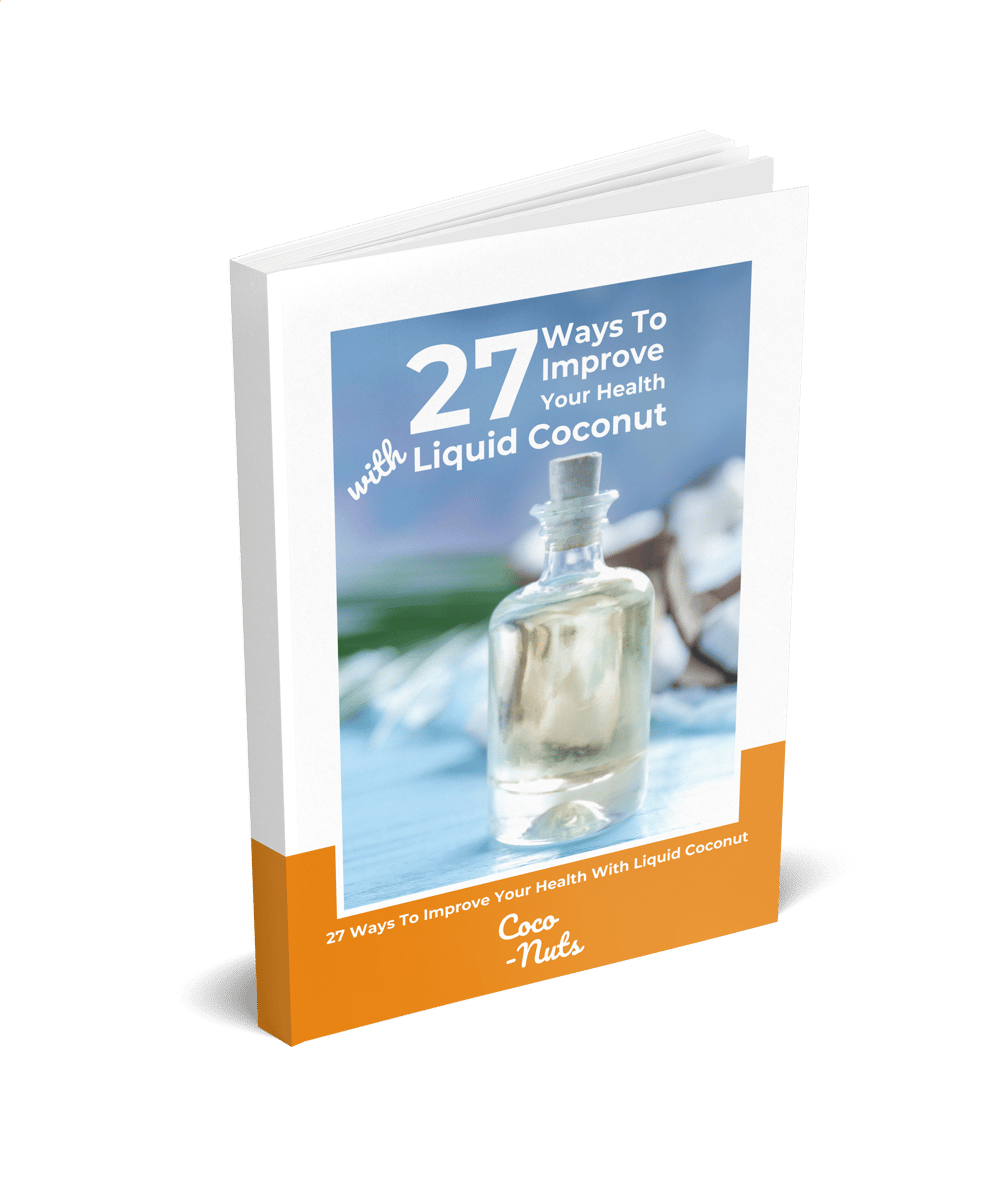
Come on... drop your email in the box below and get that eBook ASAP to learn
27 ways to improve your health with Liquid Coconut!
No worries, you’ll get only the real good stuff from us.
Get your eBook FREE of charge below!
How Coconut Oil Promotes Liver Health: The Science Behind This Natural Support
Wednesday, October 29, 2025
How Coconut Oil Promotes Liver Health: The Science Behind This Natural Support
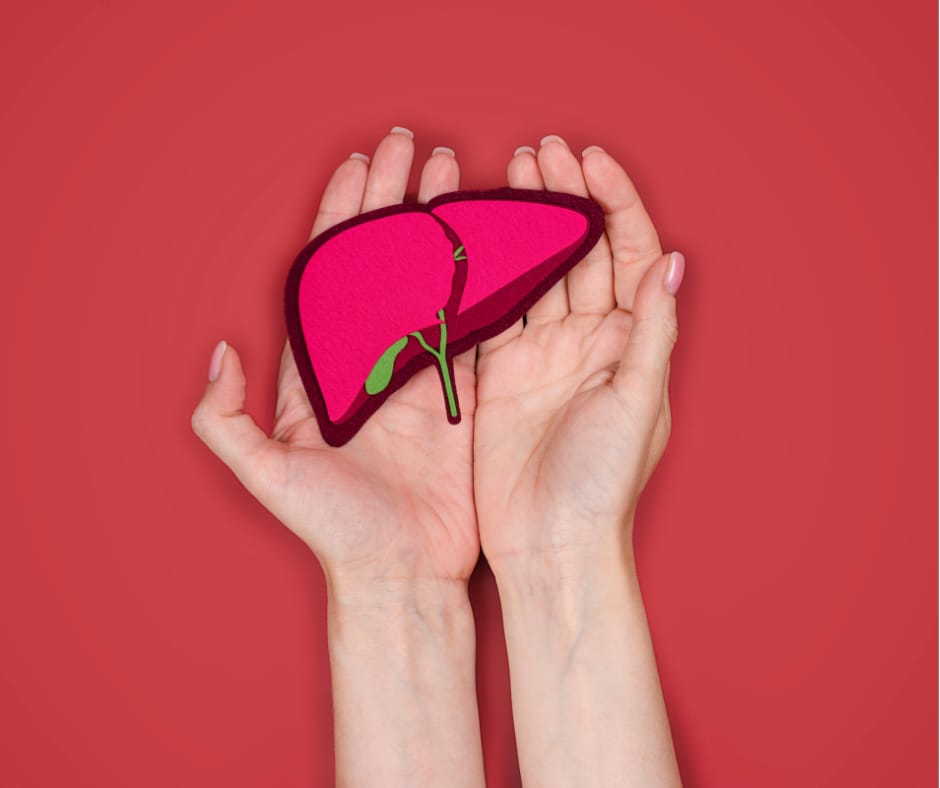
Your liver is one of the hardest-working organs in your body — but could a simple spoonful of coconut oil help keep it healthy, energized, and resilient against disease?
Your liver never takes a break. Every moment, it filters toxins, processes nutrients, regulates blood sugar, and manages fat metabolism. Yet it’s also one of the most overburdened organs in the modern world.
Poor diet, sedentary lifestyle, alcohol, processed foods, and environmental toxins have made liver problems — including non-alcoholic fatty liver disease (NAFLD) — increasingly common. NAFLD now affects about 1 in 4 adults globally.
This has sparked interest in natural, food-based ways to support liver function. Among them, coconut oil has gained attention for its unique fat profile and potential protective properties. But how exactly does it help? Let’s explore.
Why Coconut Oil Stands Out
Unlike most oils that are primarily composed of long-chain triglycerides (LCTs), coconut oil is rich in medium-chain triglycerides (MCTs). These fats behave differently in the body:
- Absorption: MCTs bypass the normal fat digestion pathway and travel directly to the liver.
- Metabolism: Instead of being stored as fat, they are quickly converted into ketones and energy.
- Impact on the Liver: This unique process reduces fat buildup while fueling liver cells for efficient performance.
Coconut oil is also rich in lauric acid (about 50% of its fat content), which has antimicrobial and anti-inflammatory properties, both highly relevant to liver protection.
The Problem: Why the Liver Needs Extra Care
Liver problems don’t appear overnight. They often start with small issues like fatty buildup or oxidative stress and progress into serious conditions such as:
- Non-alcoholic fatty liver disease (NAFLD)
- Alcoholic liver disease
- Hepatitis-related damage
- Cirrhosis
Key factors that harm the liver include:
- Overeating refined carbs & sugars → excess fat stored in the liver
- Chronic alcohol use → oxidative damage and fat accumulation
- Obesity and metabolic syndrome → insulin resistance linked to NAFLD
- Toxins and pollution → constant detox workload for liver enzymes
Supporting the liver means addressing these root causes — and coconut oil may play a role in that.
6 Science-Backed Ways Coconut Oil Supports Liver Health
1. Reduces Fat Accumulation (Protects Against Fatty Liver Disease)
One of the most significant ways coconut oil supports liver health is by preventing fat buildup. Research shows that diets rich in MCTs:
- Reduce fat storage in the liver compared to diets with long-chain fats.
- Improve fat metabolism by increasing energy expenditure.
- May slow down or even reverse early stages of fatty liver.
This makes coconut oil potentially valuable for people at risk of NAFLD.
2. Improves Liver Enzyme Function
Liver health is often measured by blood markers such as ALT, AST, and ALP enzymes. Elevated levels indicate liver stress or damage. Some studies have found that moderate MCT intake can help normalize liver enzymes, suggesting reduced inflammation and better overall liver function.
3. Reduces Oxidative Stress
The liver is highly susceptible to oxidative damage due to its detox role. Coconut oil contains phenolic compounds and vitamin E-like antioxidants that protect liver cells from free radicals. Lower oxidative stress = less chance of cell damage, fibrosis, or scarring.
4. Anti-Inflammatory Effects
Inflammation is a major driver of liver damage. Chronic inflammation can lead to fibrosis (scarring) and eventually cirrhosis. Coconut oil’s lauric acid and MCTs have shown anti-inflammatory properties, which may reduce inflammatory signaling in the liver.
5. Helps Fight Alcohol-Induced Liver Damage
Animal studies suggest MCT-rich diets help reduce fat buildup and inflammation from alcohol consumption. While coconut oil won’t counteract heavy drinking, it may provide some protective effect when alcohol intake is occasional and moderate.
6. Supports Gut Health — Indirectly Helping the Liver
Your liver and gut are closely connected through the gut-liver axis. A leaky or imbalanced gut can overwhelm the liver with toxins. Coconut oil’s antimicrobial properties may help maintain a healthier gut microbiome, which indirectly reduces liver stress.
Practical Tips: Using Coconut Oil for Liver Health
If you’d like to include coconut oil as part of a liver-supportive lifestyle, here’s how:
- Moderation is key: Aim for 1–2 tablespoons daily.
- Cooking: Use coconut oil for medium-heat cooking, stir-fries, or baking. It’s more stable than many vegetable oils at higher heat.
- Smoothies & Beverages: Add a teaspoon to coffee, tea, or shakes for a quick energy boost.
- Pair with a liver-friendly diet: Focus on whole foods, lean proteins, leafy greens, and limit alcohol and refined carbs.
- Combine with other liver allies: Olive oil, green tea, turmeric, garlic, and cruciferous vegetables complement coconut oil’s effects.
The Bottom Line
Coconut oil isn’t a miracle cure for liver disease, but evidence suggests it can support liver function, reduce fat accumulation, lower oxidative stress, and promote healthy metabolism when consumed in moderation.
Combined with a nutrient-rich diet, regular exercise, and mindful lifestyle habits, coconut oil can be part of a natural strategy to keep your liver — your body’s detox powerhouse — in peak condition.
If you would like to learn more about coconut, its saturated fats, and the role it can play in your diet, be sure to follow us on your favorite social media or sign up for our Coco-Nuts Tribe newsletter just down below.
Don’t forget that, by joining our Coco-Nuts Tribe Newsletter, you will receive my new FREE eBook – 27 Ways to Improve Your Health with Liquid Coconut.
Take care and talk to you next time!
Lenny Gee

Hi, I Am Lenny Gee
Co-Founder of Coco-Nuts.life
My love for nutrition and my passion for coconuts gave me this crazy idea to start this tropical adventure where we want to help you achieve wellness and enjoy life the way it should be.
FREE eBook
27 Ways To Improve Your Health With Liquid Coconut
Subscribe to our Tribe and receive our eBook FREE of cost.
Packed with useful recipes to guide you, and healthy benefits to inform you, this eBook makes it easier than ever for you to use our Liquid Coconut - totally FREE of charge.
Coco
-Nuts
Coco
-Nuts
Health ● Mind ● Body
Health ● Mind ● Body
Quick Links
© 2025 Coco-Nuts inc., ALL RIGHTS RESERVED
†These statement have not been evaluated by the Food & Drug Administration. This product do not intended to diagnose, treat, cure, or prevent any disease.
Information provided by this website or this company is not a substitute for individual medical advice.