Heyy... are you really leaving without your FREE eBook!?!
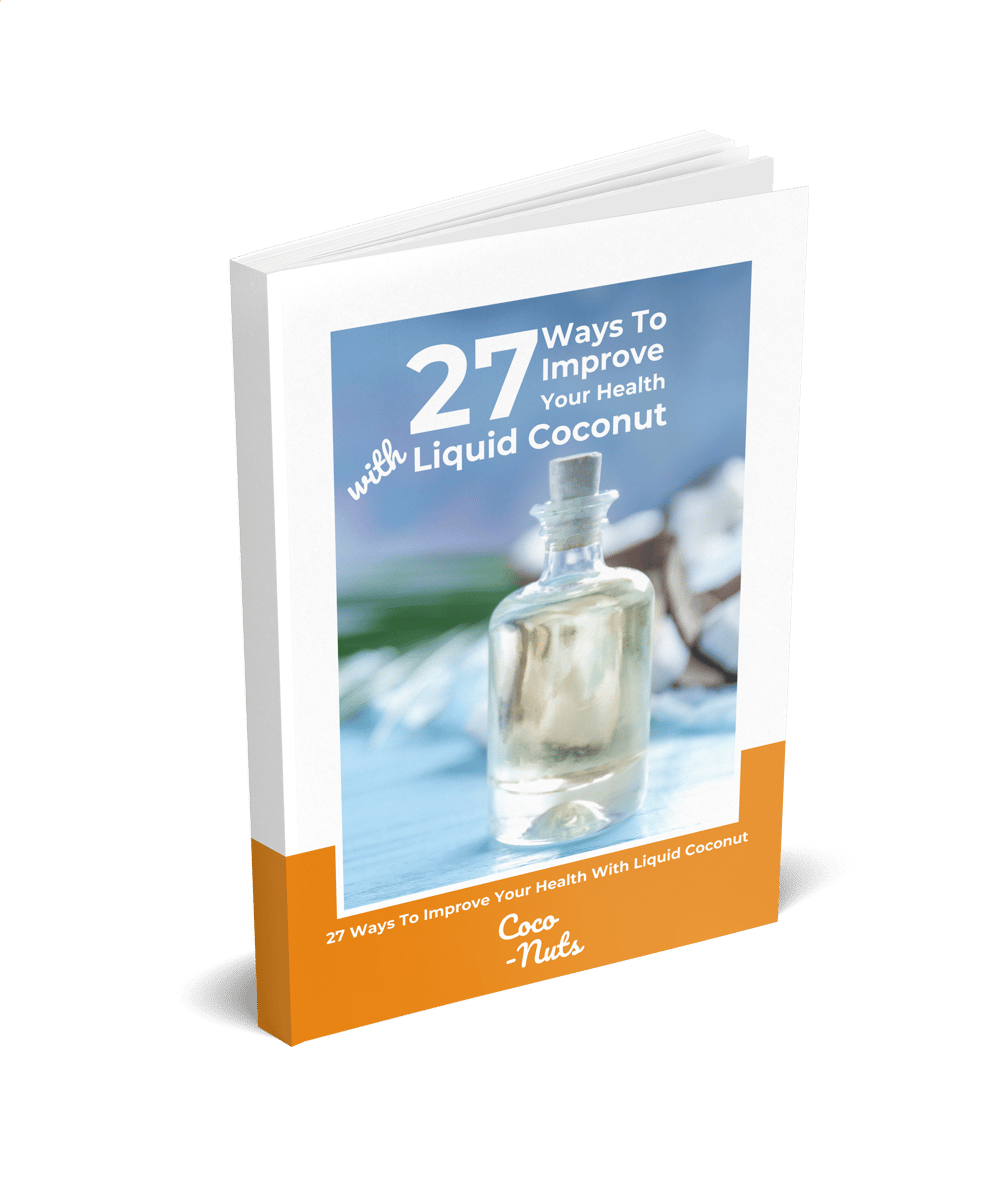
Come on... drop your email in the box below and get that eBook ASAP to learn
27 ways to improve your health with Liquid Coconut!
No worries, you’ll get only the real good stuff from us.
Get your eBook FREE of charge below!
Here's Why You Need To Eat The Right Amount Of Protein
Wednesday, April 09, 2025
Here's Why You Need To Eat The Right Amount Of Protein
The Importance of Eating the Right Amount of Protein in a Low-Carb, High-Fat Diet
Protein plays a vital role in any diet, but it becomes especially crucial in a low-carb, high-fat, diet. While many focus on reducing carbohydrates and increasing fat intake, the amount of protein consumed can make or break the effectiveness of this dietary approach. Eating too little protein can lead to muscle loss, slow metabolism, and poor recovery, while consuming too much can negatively impact ketosis and burden the kidneys. Finding the right balance is key to ensuring long-term success and optimal health.
Understanding the Role of Protein
Protein is often called the building block of life, and for a good reason. Every cell in the body relies on protein to function properly. From muscle growth and repair to enzyme production and immune support, protein serves countless functions essential for survival. Unlike carbohydrates, which primarily provide quick energy, protein has a structural and functional role, making it indispensable for overall health.
In a low-carb, high-fat, diet, protein must be carefully balanced. Too little can lead to muscle wasting, fatigue, and weakened immunity, while too much can be converted into glucose through gluconeogenesis, potentially hindering fat-burning and ketosis. Understanding the ideal intake is crucial to maximizing the benefits of this diet.
The Dangers of Not Eating Enough Protein
One of the biggest mistakes people make when adopting a low-carb, high-fat diet is underestimating their protein needs. While fat is the primary source of energy in this diet, protein is essential for maintaining muscle mass and supporting metabolic functions. Without enough protein, the body may begin breaking down muscle tissue to obtain the amino acids it needs, leading to muscle loss and reduced strength.
Furthermore, inadequate protein intake can slow down metabolism. Muscle tissue is metabolically active, meaning it burns calories even at rest. Losing muscle mass can reduce the body’s overall calorie-burning capacity, making weight management more challenging in the long run.
Additionally, protein is essential for hormone production and immune function. A deficiency in protein can impair the body's ability to produce important hormones such as insulin, growth hormone, and thyroid hormones, potentially leading to metabolic imbalances. It can also weaken the immune system, increasing susceptibility to illness and infections.
The Risks of Eating Too Much Protein
While protein is necessary, consuming it in excessive amounts can also have drawbacks. One major concern is the process of gluconeogenesis, where the body converts excess protein into glucose. Since the goal of a low-carb, high-fat diet is to maintain ketosis, consuming too much protein can counteract this effect by providing the body with an alternative glucose source, making it harder to stay in fat-burning mode.
Additionally, excessive protein intake can place unnecessary strain on the kidneys. While this is not typically an issue for healthy individuals, those with pre-existing kidney conditions should be mindful of their protein consumption. The body must process and eliminate the byproducts of protein metabolism, and overloading the kidneys can lead to long-term complications if not managed properly.
Finding the Right Protein Balance
Determining the right amount of protein depends on factors such as age, activity level, and overall health goals. A general guideline for those following a low-carb, high-fat diet is to aim for moderate protein intake, typically around 0.6 to 1.0 grams of protein per pound of lean body mass. This ensures adequate muscle preservation and metabolic support without overloading the body with excess protein.
To achieve optimal protein intake, it is best to prioritize high-quality protein sources such as grass-fed beef, pasture-raised poultry, wild-caught fish, eggs, and dairy. These sources provide essential amino acids while minimizing harmful additives and processing. Additionally, incorporating plant-based protein options such as nuts, seeds, and certain legumes can add variety to the diet while supporting overall health.
The Bottom Line
In a low-carb, high-fat, diet, getting the right amount of protein is just as important as balancing fat and carbohydrate intake. Too little protein can lead to muscle loss, sluggish metabolism, and poor recovery, while too much can hinder ketosis and put excess strain on the kidneys. By understanding and maintaining a moderate protein intake, you can optimize your diet for long-term health, sustained energy, and improved body composition. Prioritizing high-quality protein sources and listening to your body’s needs will ensure you reap the full benefits of this dietary approach.
If you would like to learn more about the Tribe's Diet, how you can adhere to it, and what benefits it could bring you, be sure to follow us on your favorite social media or sign up for our Coco-Nuts Tribe Newsletter just down below.
Don’t forget that, by joining our Coco-Nuts Tribe Newsletter, you will receive my new FREE eBook – 27 Ways to Improve Your Health with Liquid Coconut.
I hope you enjoy it and talk to you next time!
Lenny Gee

Hi, I Am Lenny Gee
Co-Founder of Coco-Nuts.life
My love for nutrition and my passion for coconuts gave me this crazy idea to start this tropical adventure where we want to help you achieve wellness and enjoy life the way it should be.
FREE eBook
27 Ways To Improve Your Health With Liquid Coconut
Subscribe to our Tribe and receive our eBook FREE of cost.
Packed with useful recipes to guide you, and healthy benefits to inform you, this eBook makes it easier than ever for you to use our Liquid Coconut - totally FREE of charge.
Coco
-Nuts
Coco
-Nuts
Health ● Mind ● Body
Health ● Mind ● Body
Quick Links
© 2025 Coco-Nuts inc., ALL RIGHTS RESERVED
†These statement have not been evaluated by the Food & Drug Administration. This product do not intended to diagnose, treat, cure, or prevent any disease.
Information provided by this website or this company is not a substitute for individual medical advice.