Heyy... are you really leaving without your FREE eBook!?!

Come on... drop your email in the box below and get that eBook ASAP to learn
27 ways to improve your health with Liquid Coconut!
No worries, you’ll get only the real good stuff from us.
Get your eBook FREE of charge below!

The Truth About Coconut Oil: Smart Superfat or Just a Trendy Topping?
Monday, September 08, 2025
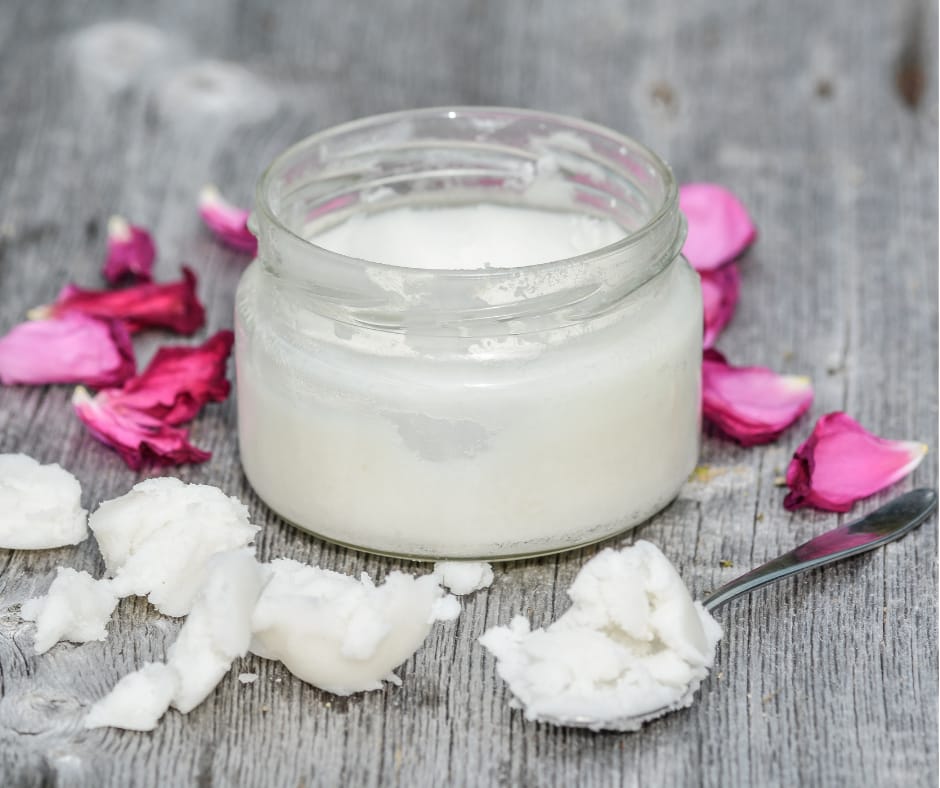
The Truth About Coconut Oil: Smart Superfat or Just a Trendy Topping?
Coconut Oil and Your Health: Separating Fact from Fad
Once a niche product from tropical regions, coconut oil has become a global staple in kitchens and wellness routines. It’s praised for its rich flavor, high heat stability, and numerous alleged health benefits—from boosting energy and aiding weight loss to supporting heart health and metabolism. For home cooks and wellness-minded consumers, the appeal is clear. But behind the popularity lies a crucial question: Is coconut oil truly a healthy diet food, or is it simply enjoying the spotlight of a wellness trend?
Understanding the Fat Profile
Coconut oil is composed of approximately 90% saturated fat, which is unusually high for a plant-based oil. However, unlike the long-chain saturated fats found in animal products, coconut oil contains medium-chain triglycerides (MCTs)—notably lauric acid, caprylic acid, and capric acid. These MCTs are metabolized differently by the body: rather than being stored, they are rapidly absorbed by the liver and converted into energy.
This unique characteristic has led to interest in coconut oil as a potential tool for supporting metabolism, energy levels, and even cognitive function—particularly in ketogenic and low-carb diets where fats are the primary fuel source.
Effects on Satiety and Metabolism
Emerging research suggests that MCTs may contribute to increased satiety and even modest increases in calorie expenditure. In practice, this could mean that meals incorporating coconut oil may help curb hunger more effectively than those made with refined seed oils. While the overall impact on weight loss may be small, for individuals seeking greater appetite control, coconut oil could offer a helpful advantage as part of a balanced diet.
Cooking Benefits and Culinary Use
From a culinary perspective, coconut oil performs exceptionally well under high heat. Its high smoke point makes it suitable for sautéing, roasting, and baking. Unlike many refined vegetable oils, it does not oxidize easily or break down into harmful byproducts when heated.
Additionally, its naturally rich, slightly sweet flavor complements both savory and sweet dishes—making it a versatile ingredient for everything from curries to cookies.
Cardiovascular Health: A Balanced View
Perhaps the most contentious issue surrounding coconut oil is its impact on cardiovascular health. While saturated fat has long been associated with elevated LDL cholesterol and increased heart disease risk, coconut oil presents a more nuanced picture.
Some studies indicate that coconut oil can raise HDL (good) cholesterol, and its effect on LDL (bad) cholesterol varies depending on the broader dietary context. For individuals with a generally healthy lifestyle and no existing heart conditions, moderate use of unrefined coconut oil—especially when replacing ultra-processed oils—may not pose a risk and could even be beneficial.
Nonetheless, due to its saturated fat content, it should still be consumed in moderation and as part of a diverse, whole-food-based diet.
Clean Label and Minimal Processing
Another advantage of coconut oil is its minimal processing. Virgin coconut oil, particularly cold-pressed varieties, is typically free from solvents, chemical treatments, and additives. This makes it an attractive choice for those seeking clean, whole-food ingredients in their cooking.
Its uses also extend beyond the kitchen: coconut oil is commonly used as a natural moisturizer, hair conditioner, and oil-pulling agent for oral hygiene—adding value for those pursuing holistic wellness.
Conclusion: A Functional Fat with Measured Benefits
Coconut oil is not a miracle ingredient, nor is it the health threat some headlines claim. In reality, it occupies a middle ground—a functional fat that, when used mindfully, offers several benefits for energy, satiety, and culinary versatility.
For health-conscious home cooks, it can be a valuable addition to a whole-food diet—especially when replacing heavily refined oils or artificial fats. Like any dietary fat, the key is quality and moderation.
In a wellness kitchen, coconut oil isn’t just a passing trend. It’s a smart, natural choice that bridges tradition and evidence-based nutrition.
If you would like to join our Tribe, be guided by our shared knowledge, our mutual support, and also learn more about coconut, its saturated fats, and the role it can play in your diet, be sure to follow us on your favorite social media or sign up for our Coco-Nuts Tribe newsletter just down below.
Don’t forget that, by joining our Coco-Nuts Tribe Newsletter, you will receive my new FREE eBook – 27 Ways to Improve Your Health with Liquid Coconut.
I hope you enjoy it and talk to you next time!
Lenny Gee

Hi, I Am Lenny Gee
Co-Founder of Coco-Nuts.life
My love for nutrition and my passion for coconuts gave me this crazy idea to start this tropical adventure where we want to help you achieve wellness and enjoy life the way it should be.
FREE eBook
27 Ways To Improve Your Health With Liquid Coconut
Subscribe to our Tribe and receive our eBook FREE of cost.
Packed with useful recipes to guide you, and healthy benefits to inform you, this eBook makes it easier than ever for you to use our Liquid Coconut - totally FREE of charge.
Coco
-Nuts
Coco
-Nuts
Health ● Mind ● Body
Health ● Mind ● Body
Quick Links
© 2025 Coco-Nuts inc., ALL RIGHTS RESERVED
†These statement have not been evaluated by the Food & Drug Administration. This product do not intended to diagnose, treat, cure, or prevent any disease.
Information provided by this website or this company is not a substitute for individual medical advice.