Heyy... are you really leaving without your FREE eBook!?!
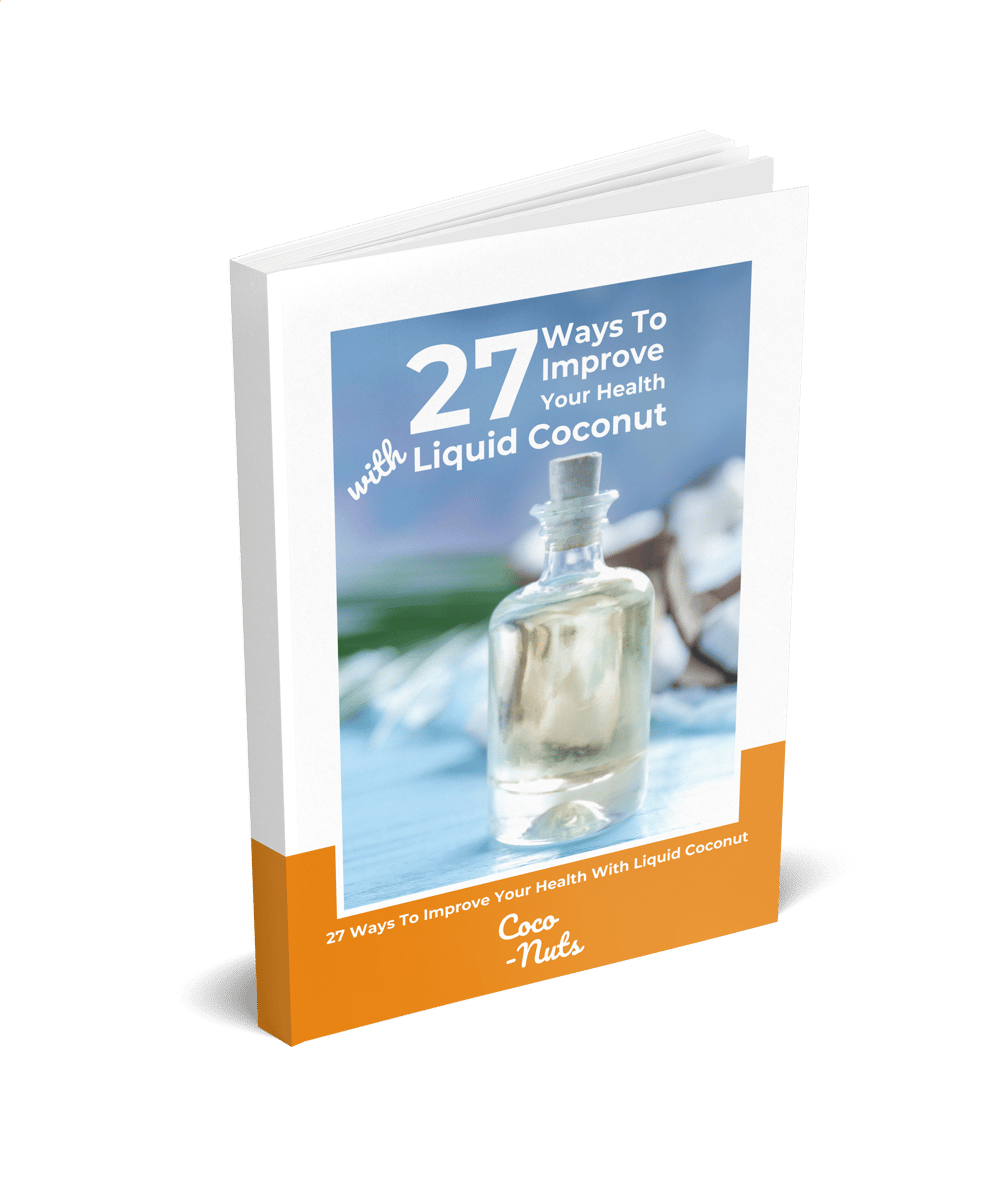
Come on... drop your email in the box below and get that eBook ASAP to learn
27 ways to improve your health with Liquid Coconut!
No worries, you’ll get only the real good stuff from us.
Get your eBook FREE of charge below!

Coconut Oil: The Natural Wound-Healing Ally Every Home Cook and Wellness Enthusiast Should Know
Monday, February 02, 2026
Coconut Oil: The Natural Wound-Healing Ally Every Home Cook and Wellness Enthusiast Should Know
The Tropical Healing Secret That Helps Cuts, Scrapes, and Skin Recover Faster—Straight from a Jar of Coconut Oil.
Caring for minor cuts, scrapes, and skin irritations is an essential part of everyday wellness. While conventional antiseptics and creams are widely used, natural alternatives like coconut oil are gaining attention for their remarkable healing properties. For home cooks and wellness enthusiasts, understanding how coconut oil aids wound healing provides a safe, effective, and holistic approach to skin care.
Why Coconut Oil Supports Wound Healing
Coconut oil is abundant in medium-chain triglycerides (MCTs) and lauric acid, compounds with antimicrobial, anti-inflammatory, and moisturizing properties. These qualities make it highly effective in supporting skin repair, preventing infection, and accelerating the natural healing process.
Key Benefits Include:
- Antimicrobial Action: Lauric acid and monolaurin derived from coconut oil combat harmful bacteria, fungi, and viruses, reducing infection risk.
- Anti-Inflammatory Properties: Helps soothe redness, swelling, and irritation around wounds, supporting faster recovery.
- Moisture Retention: Maintains skin hydration, preventing dryness, cracking, and painful scabbing.
- Antioxidant Support: Protects skin cells from oxidative damage and supports tissue repair.
- Collagen Support: Coconut oil’s fatty acids may help maintain skin elasticity, reducing scarring potential.
How to Use Coconut Oil for Wound Healing
Proper application enhances its benefits:
- Clean the Wound: Rinse with clean water or a mild saline solution and gently pat dry.
- Apply Coconut Oil: Use clean hands or a sterile cotton swab to spread a thin layer over the affected area.
- Cover if Needed: For deeper cuts or abrasions, cover with a sterile bandage to protect the area while allowing coconut oil to aid healing.
- Reapply Regularly: Apply 1–2 times daily to maintain moisture, antimicrobial protection, and accelerated healing.
Pro Tip: Choose virgin or extra-virgin coconut oil for maximum healing properties.
Complementary Practices for Enhanced Healing
To maximize recovery:
- Maintain Hygiene: Wash hands before touching the wound and use clean tools.
- Gentle Cleaning: Avoid harsh soaps or antiseptics that can dry out the skin.
- Balanced Nutrition: Support skin repair with protein-rich foods, vitamin C, zinc, and omega-3 fatty acids.
- Avoid Irritants: Keep the wound away from chemical creams or alcohol-based products that may hinder healing.
- Rest and Hydration: Adequate sleep and water intake support overall tissue repair and immune function.
Additional Applications for Skin Recovery
Coconut oil can also assist in other skin care situations:
- Minor Burns and Sunburns: Soothe irritation and prevent dryness.
- Scrapes and Abrasions: Keep areas moisturized and protected.
- Dry Patches or Eczema: Provides hydration and antimicrobial protection.
- Post-Shaving or Minor Nicks: Reduces inflammation, soothes irritation, and supports skin repair.
Choosing the Best Coconut Oil for Wound Healing
- Virgin or Extra-Virgin: Minimally processed to retain MCTs, lauric acid, and antioxidants.
- Organic: Free from pesticides, chemicals, and additives that could irritate the skin.
- Cold-Pressed: Maintains bioactive compounds essential for healing.
Store in a cool, dark place to maintain potency and effectiveness.
Safety Considerations
- Minor Wounds Only: Coconut oil is ideal for small cuts, scrapes, and abrasions. Seek medical care for deep, severe, or infected wounds.
- Allergies: Test on a small area of skin first to ensure no allergic reaction.
- Clean Application: Always use clean hands and tools to avoid introducing bacteria.
- Monitor Healing: If the wound shows signs of infection (redness, pus, swelling), consult a healthcare professional.
Final Thoughts
Coconut oil is a natural, versatile, and safe option for supporting wound healing, offering antimicrobial, anti-inflammatory, moisturizing, and antioxidant properties. For home cooks and wellness enthusiasts, incorporating coconut oil into your first-aid routine provides a gentle and holistic alternative to conventional treatments.
By using coconut oil thoughtfully, you’re not only promoting faster healing and healthier skin—but also embracing a natural, nutrient-rich approach to everyday wellness and self-care, ensuring that minor wounds recover effectively and safely.
If you would like to learn more about coconut, its saturated fats and the role it can play in your diet, be sure to follow us on your favorite social media channels or sign up for our Coco-Nuts Tribe newsletter just below.
Don’t forget that by signing up for our Coco-Nuts Tribe newsletter, you will receive my new FREE eBook – 27 Ways to Improve Your Health with Liquid Coconut.
Take care and see you next time!
Lenny Gee

Hi, I Am Lenny Gee
Co-Founder of Coco-Nuts.life
My love for nutrition and my passion for coconuts gave me this crazy idea to start this tropical adventure where we want to help you achieve wellness and enjoy life the way it should be.
FREE eBook
27 Ways To Improve Your Health With Liquid Coconut
Subscribe to our Tribe and receive our eBook FREE of cost.
Packed with useful recipes to guide you, and healthy benefits to inform you, this eBook makes it easier than ever for you to use our Liquid Coconut - totally FREE of charge.
Coco
-Nuts
Coco
-Nuts
Health ● Mind ● Body
Health ● Mind ● Body
Quick Links
© 2025 Coco-Nuts inc., ALL RIGHTS RESERVED
†These statement have not been evaluated by the Food & Drug Administration. This product do not intended to diagnose, treat, cure, or prevent any disease.
Information provided by this website or this company is not a substitute for individual medical advice.