Heyy... are you really leaving without your FREE eBook!?!
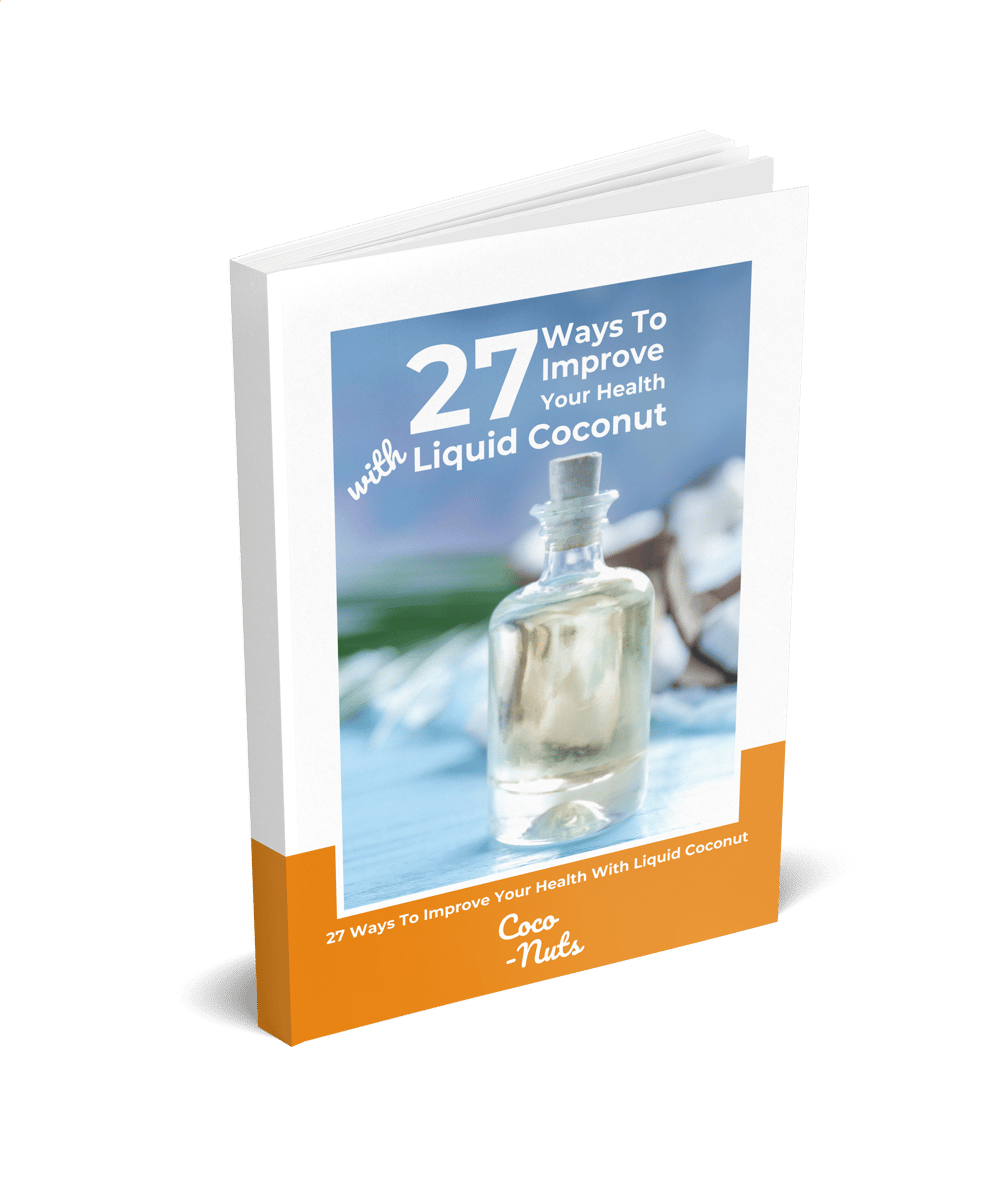
Come on... drop your email in the box below and get that eBook ASAP to learn
27 ways to improve your health with Liquid Coconut!
No worries, you’ll get only the real good stuff from us.
Get your eBook FREE of charge below!

Stressed Out? Coconut Oil Help Calm Your Mind and Support Your Body
Monday, September 15, 2025

Stressed Out? Coconut Oil Help Calm Your Mind and Support Your Body
Coconut Oil and Stress Management: A Natural Ally for Calmer Minds and Healthier Bodies
In today’s high-pressure world, stress is an almost unavoidable part of life. Chronic stress not only affects mental well-being but also triggers physical health issues such as inflammation, hormonal imbalances, and cognitive decline. For home cooks and wellness enthusiasts seeking natural, evidence-based ways to support relaxation and resilience, coconut oil presents an interesting option worth exploring.
This blog dives deeper into the science behind coconut oil’s potential role in stress management and offers practical guidance for incorporating it into your lifestyle.
Medium-Chain Triglycerides (MCTs) Fueling Brain Function Under Stress
Coconut oil is rich in medium-chain triglycerides (MCTs)—specifically lauric, caprylic, and capric acids. Unlike long-chain fatty acids found in most dietary fats, MCTs are rapidly absorbed and transported directly to the liver, where they are converted into ketone bodies. These ketones serve as an efficient alternative fuel for the brain.
Research indicates that ketones can improve cognitive function, mental clarity, and mood regulation—key areas often impaired by chronic stress. For example, ketone metabolism has been shown to support mitochondrial function in brain cells, reducing oxidative damage and enhancing energy production. This may help mitigate the “brain fog” and fatigue that accompany prolonged stress.
Anti-Inflammatory and Antioxidant Effects That Counteract Stress
Stress triggers a cascade of biological responses, including increased production of pro-inflammatory cytokines and reactive oxygen species (ROS). Elevated inflammation and oxidative stress are linked to anxiety, depression, and impaired cognitive function.
Coconut oil contains lauric acid and polyphenolic compounds that exhibit both anti-inflammatory and antioxidant properties. Lauric acid can inhibit harmful bacterial growth and modulate immune responses, while the antioxidants help neutralize ROS, protecting cells from damage.
Incorporating coconut oil into your diet may thus contribute to lowering systemic inflammation and oxidative stress levels, supporting a healthier physiological environment during stressful periods.
Hormonal Support Through Healthy Fats
The body’s response to stress is largely regulated by the hypothalamic-pituitary-adrenal (HPA) axis, culminating in the release of cortisol and other hormones. Fatty acids are crucial for the synthesis and regulation of these hormones, as well as for maintaining cellular membrane integrity.
Coconut oil’s stable saturated fats provide the building blocks needed for hormone production without contributing to the unstable lipid profiles often associated with processed seed oils. Adequate fat intake helps balance cortisol levels, reducing the likelihood of adrenal fatigue, sleep disturbances, and mood instability that can accompany chronic stress.
Practical Ways to Incorporate Coconut Oil for Stress Management
- Cooking: Use coconut oil as a base for nourishing meals. Warm, satisfying dishes made with coconut oil can enhance comfort and satiety, both important for stress reduction.
- Morning Routine: Add a teaspoon of coconut oil to your morning beverage or smoothie to provide sustained brain fuel and support focus throughout the day.
- Topical Use and Aromatherapy: Coconut oil’s moisturizing and soothing properties make it ideal for massage or as a carrier oil in calming essential oil blends, offering a relaxing sensory experience.
- Mindful Consumption: Combine coconut oil intake with other stress-reducing practices such as mindfulness, balanced nutrition, and physical activity for a holistic approach.
Conclusion: Coconut Oil as Part of a Holistic Stress Resilience Strategy
While no single food or supplement can eliminate stress, coconut oil’s unique composition of MCTs, anti-inflammatory compounds, and hormone-supporting fats makes it a valuable dietary tool. A mindful use of coconut oil can help promote mental clarity, emotional balance, and physical resilience.
Incorporating coconut oil into a balanced, nutrient-rich diet may support your body’s natural ability to cope with stress, enhancing overall well-being and quality of life.
If you would like to learn more about coconut, its saturated fats, and the role it can play in your diet, be sure to follow us on your favorite social media or sign up for our Coco-Nuts Tribe newsletter just down below.
Don’t forget that, by joining our Coco-Nuts Tribe Newsletter, you will receive my new FREE eBook – 27 Ways to Improve Your Health with Liquid Coconut.
Take care and talk to you next time!
Lenny Gee

Hi, I Am Lenny Gee
Co-Founder of Coco-Nuts.life
My love for nutrition and my passion for coconuts gave me this crazy idea to start this tropical adventure where we want to help you achieve wellness and enjoy life the way it should be.
FREE eBook
27 Ways To Improve Your Health With Liquid Coconut
Subscribe to our Tribe and receive our eBook FREE of cost.
Packed with useful recipes to guide you, and healthy benefits to inform you, this eBook makes it easier than ever for you to use our Liquid Coconut - totally FREE of charge.
Coco
-Nuts
Coco
-Nuts
Health ● Mind ● Body
Health ● Mind ● Body
Quick Links
© 2025 Coco-Nuts inc., ALL RIGHTS RESERVED
†These statement have not been evaluated by the Food & Drug Administration. This product do not intended to diagnose, treat, cure, or prevent any disease.
Information provided by this website or this company is not a substitute for individual medical advice.