Heyy... are you really leaving without your FREE eBook!?!
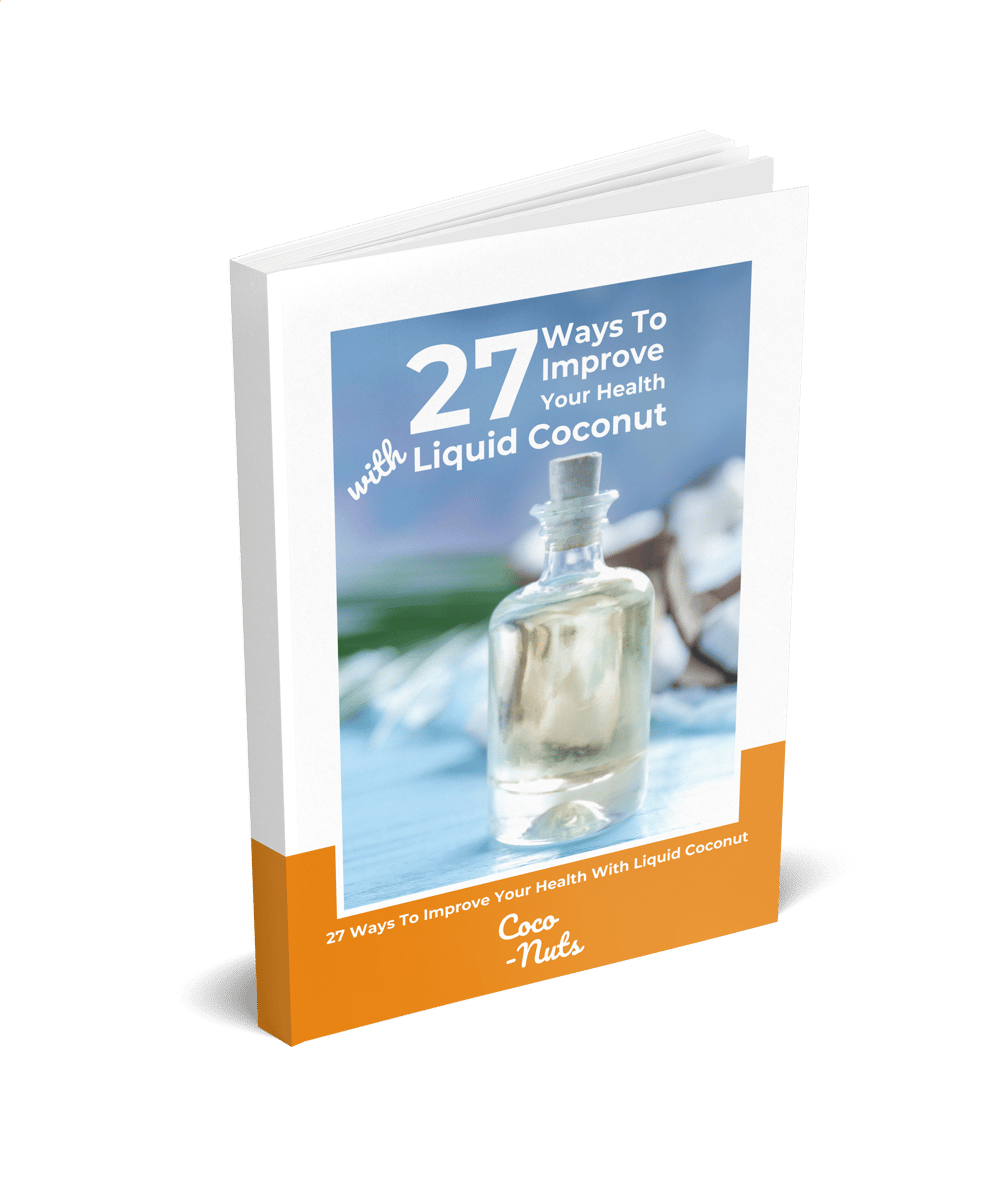
Come on... drop your email in the box below and get that eBook ASAP to learn
27 ways to improve your health with Liquid Coconut!
No worries, you’ll get only the real good stuff from us.
Get your eBook FREE of charge below!

Can Coconut Oil Be Poisonous? The Science, Risks, and Safe Use
Monday, November 17, 2025

Can Coconut Oil Be Poisonous? The Science, Risks, and Safe Use
Coconut oil is celebrated as a superfood, but could it ever be harmful — or even poisonous? Understanding the science is crucial before adding spoonfuls of this tropical fat to your daily routine.
Coconut oil has become a wellness staple worldwide, used in cooking, baking, skincare, and even as a natural remedy. Its reputation stems from its high medium-chain triglyceride (MCT) content, which provides energy, supports brain health, and may aid weight management.
But with high saturated fat content and popular claims ranging from “miracle food” to “dangerous fat,” many wonder:
Can coconut oil actually be poisonous?
The short answer is no — under normal dietary use, coconut oil is not poisonous. However, like any concentrated fat, improper use, overconsumption, or certain individual conditions can pose risks. Let’s explore the facts.
The Biochemistry of Coconut Oil
Coconut oil is composed of approximately 90% saturated fat, most of which are medium-chain triglycerides (MCTs). Key MCTs include:
- Lauric acid (C12): Antimicrobial and slightly slower metabolized than other MCTs.
- Caprylic acid (C8) and Capric acid (C10): Rapidly absorbed, converted into ketones, and used as energy by the liver.
Unlike long-chain triglycerides (LCTs) found in butter, cheese, and meat, MCTs bypass the lymphatic system and go directly to the liver for energy production. This rapid metabolism is what makes coconut oil metabolically unique and generally safe when consumed in moderation.
Scenarios Where Coconut Oil Could Cause Harm
1. Overconsumption
Coconut oil is calorie-dense — 1 tablespoon = ~120 calories and 14 grams of fat. Overeating can lead to:
- Excessive calorie intake and weight gain
- Digestive upset: bloating, diarrhea, cramps, nausea
- Elevated LDL cholesterol in some individuals, increasing cardiovascular risk
Although these effects are not “poisoning,” they can stress your body and contribute to health issues if sustained over time.
2. Allergic Reactions
While rare, coconut allergies do exist. Symptoms can include:
- Rash or hives
- Swelling of lips or throat
- Nausea or vomiting
- Severe reactions (anaphylaxis) requiring immediate medical attention
People with a history of tree nut or seed allergies should introduce coconut cautiously.
3. Inhalation or Accidental Exposure
Coconut oil is safe for ingestion and topical use, but:
- Inhaling oil droplets (from sprays or nebulizers) can cause lipid pneumonia, a rare but serious lung condition.
- Heating coconut oil beyond its smoke point (~350°F / 177°C) produces toxic compounds like acrolein, which can irritate the lungs and digestive system.
Coconut Oil and Cardiovascular Considerations
Coconut oil raises both LDL (“bad”) and HDL (“good”) cholesterol.
- High LDL in sensitive individuals may increase the risk of cardiovascular disease if consumed excessively.
- High HDL can improve cholesterol balance and remove excess cholesterol from the bloodstream.
Moderation is key: 1–2 tablespoons per day is generally safe for healthy adults. Overconsumption, especially alongside other high saturated fat sources, can shift the balance toward cardiovascular risk.
Myths About Coconut Oil Poisoning
Some claims suggest coconut oil is inherently “toxic” due to saturated fat content. Science tells a different story:
- MCTs are metabolized differently than long-chain saturated fats and provide energy rather than being stored immediately as fat.
- Normal culinary and dietary use (1–2 tablespoons per day) is safe for most healthy adults.
- Reports of “coconut oil poisoning” are typically due to extreme overconsumption, allergies, or improper heating, not the oil itself.
How to Use Coconut Oil Safely
- Moderate your intake: 1–2 tablespoons daily is sufficient for most adults.
- Choose high-quality oil: Virgin, cold-pressed, or organic coconut oil is preferable.
- Avoid overheating: Do not cook above 350°F (177°C) to prevent toxic compound formation.
- Introduce gradually: Start with 1 teaspoon if you are new to coconut oil to reduce digestive upset.
- Balance your fats: Include olive oil, avocado oil, nuts, seeds, and omega-3 rich foods for cardiovascular health.
- Watch for allergies: Monitor for any signs of skin reactions, digestive issues, or respiratory symptoms.
Final Verdict:
Coconut oil is a safe, nutrient-rich fat that can be part of a healthy diet, as long as it’s used responsibly. There’s no scientific evidence of poisoning under normal dietary use, and its MCT content can provide energy, cognitive support, and antimicrobial benefits. Like any concentrated food, understanding how to use it properly ensures you reap the benefits without risk.
If you would like to learn more about coconut, its saturated fats, and the role it can play in your diet, be sure to follow us on your favorite social media or sign up for our Coco-Nuts Tribe newsletter just down below.
Don’t forget that, by joining our Coco-Nuts Tribe Newsletter, you will receive my new FREE eBook – 27 Ways to Improve Your Health with Liquid Coconut.
I hope you find my work useful and that we can work together to help you feel better.
Lenny Gee

Hi, I Am Lenny Gee
Co-Founder of Coco-Nuts.life
My love for nutrition and my passion for coconuts gave me this crazy idea to start this tropical adventure where we want to help you achieve wellness and enjoy life the way it should be.
FREE eBook
27 Ways To Improve Your Health With Liquid Coconut
Subscribe to our Tribe and receive our eBook FREE of cost.
Packed with useful recipes to guide you, and healthy benefits to inform you, this eBook makes it easier than ever for you to use our Liquid Coconut - totally FREE of charge.
Coco
-Nuts
Coco
-Nuts
Health ● Mind ● Body
Health ● Mind ● Body
Quick Links
© 2025 Coco-Nuts inc., ALL RIGHTS RESERVED
†These statement have not been evaluated by the Food & Drug Administration. This product do not intended to diagnose, treat, cure, or prevent any disease.
Information provided by this website or this company is not a substitute for individual medical advice.