Heyy... are you really leaving without your FREE eBook!?!
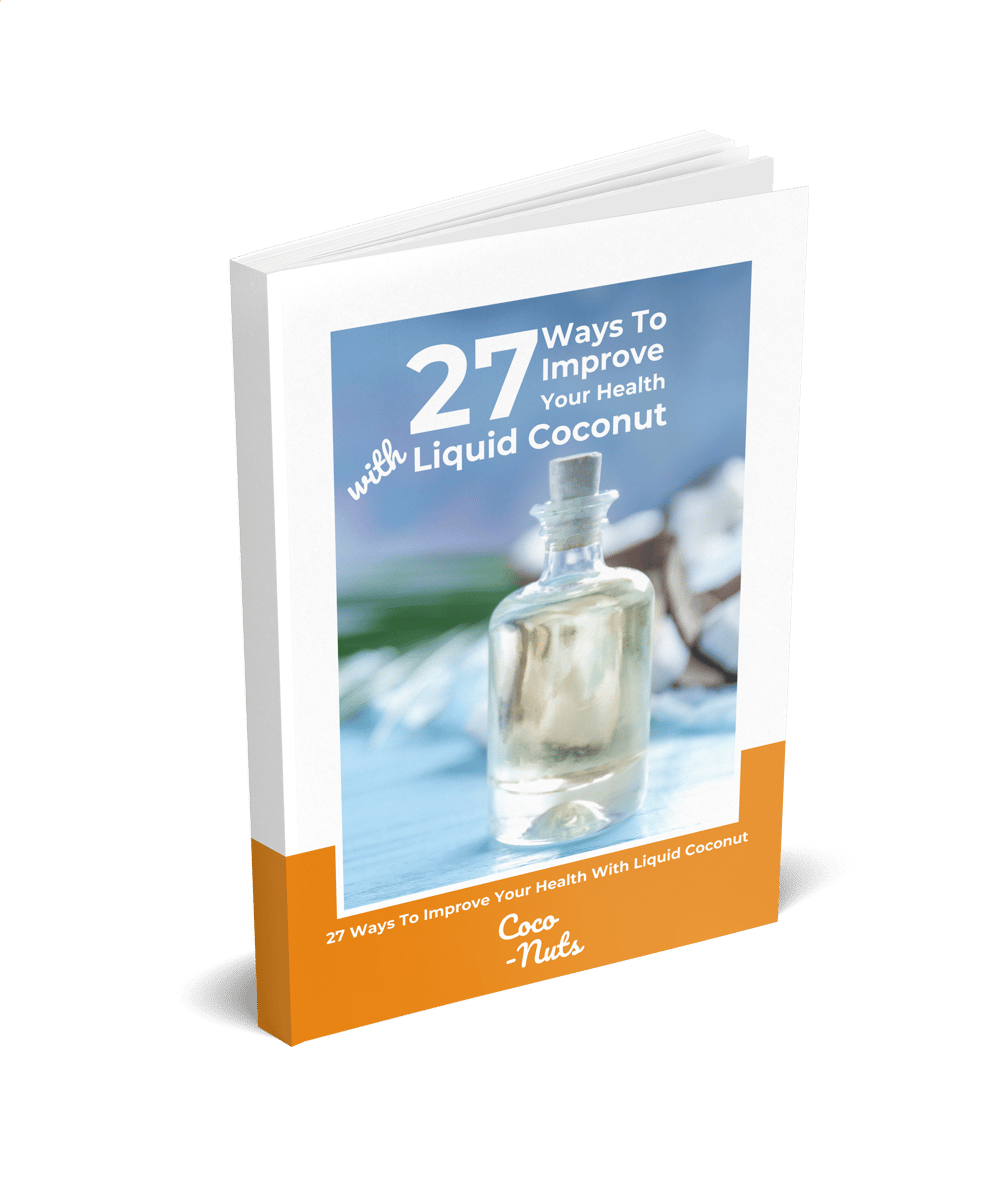
Come on... drop your email in the box below and get that eBook ASAP to learn
27 ways to improve your health with Liquid Coconut!
No worries, you’ll get only the real good stuff from us.
Get your eBook FREE of charge below!

From Tree to Jar: 7 Reasons Coconut Oil Deserves Its Premium Price
Monday, August 25, 2025
From Tree to Jar: 7 Reasons Coconut Oil Deserves Its Premium Price
Coconut Oil: Why This Superfat Deserves Its Super Price
Whether you’re sautéing vegetables, blending a smoothie, or crafting a natural skincare remedy, coconut oil has likely earned a spot in your kitchen or bathroom cabinet. But let’s be honest: the price tag can sometimes feel like a pinch to the wallet—especially when stacked against more common oils like canola or sunflower.
So, why is this jar of tropical goodness more expensive? And more importantly—is it worth it?
For home cooks and wellness seekers who value purity, sustainability, and performance, understanding what goes into each jar of coconut oil may just change the way you see this superfat.
Manual Labor from Tree to Jar
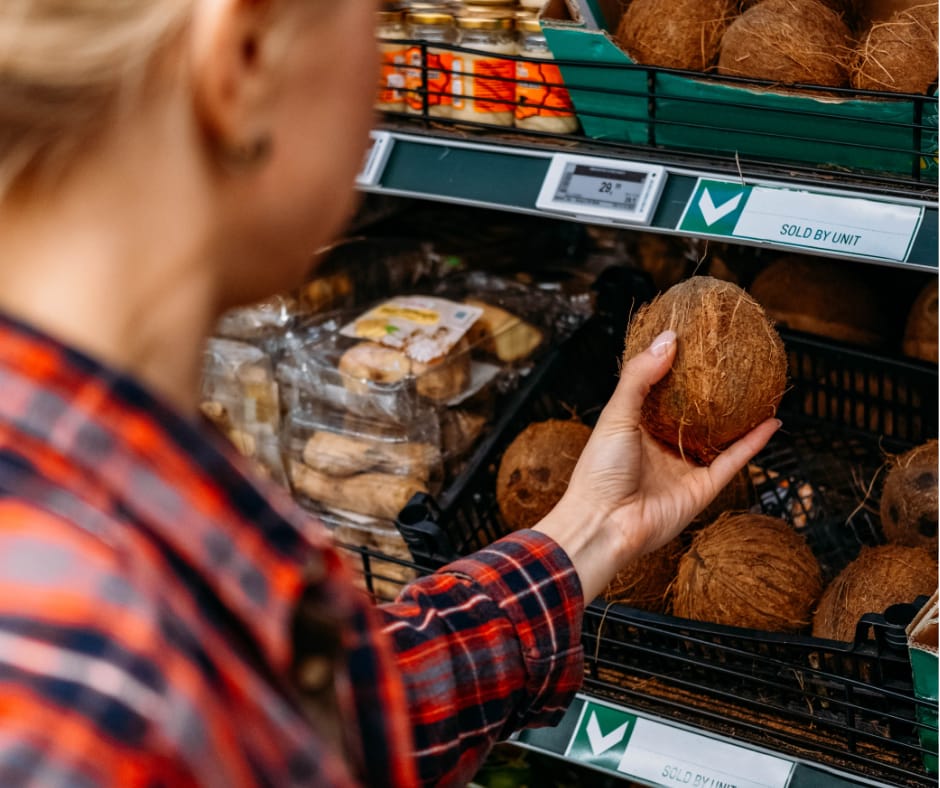
Unlike industrially harvested crops, coconuts are still picked the old-fashioned way—by hand. In tropical regions where coconut palms grow, workers often climb trees or use long poles to collect coconuts. From there, each fruit must be husked, cracked, and processed. This isn’t done on a factory conveyor belt—it’s intensive, time-consuming, and labor-reliant. That care and effort add to the price—but also to the quality.
Small Yields, Big Effort
It takes roughly 10 to 12 coconuts to produce a single liter of oil. Compare that to crops like soy or canola that churn out much more oil per acre, and you start to understand the disparity. Coconut oil is naturally a low-yield product, which means more raw materials and more work for every drop.
Tropical Origins, Limited Supply
Coconut palms thrive only in specific climates—warm, humid, coastal regions found mainly in the Philippines, Indonesia, India, and Sri Lanka. This limited geography makes the global supply vulnerable to climate change, storms, or poor harvest seasons. When nature disrupts production, prices reflect the scarcity.
Carefully Extracted for Maximum Quality
High-end coconut oils—like virgin, cold-pressed, or organic varieties—aren’t just squeezed out. They’re gently processed to preserve flavor, nutrients, and antioxidants. These methods require precise equipment and more time. Organic certification brings additional layers of quality control and compliance, increasing the final cost—but also ensuring a purer product.
Global Demand, Cross-Industry Popularity
Coconut oil isn’t just trending—it’s booming. It’s used in:\n- Clean eating and keto diets\n- Skincare and natural cosmetics\n- Plant-based foods and vegan baking\n- Holistic wellness routines (like oil pulling)
This widespread demand means coconut oil isn’t sitting on the shelf—it’s flying off it, pushing prices higher due to limited supply.
Shipping from Paradise Isn’t Cheap
Most coconut oil travels thousands of miles from remote islands to global markets. This journey includes packaging, shipping, customs, warehousing, and distribution. Add fluctuating fuel costs and international tariffs, and it’s no surprise the price climbs long before it hits your pantry.
The Price of Doing the Right Thing
Many coconut oil producers are now committing to fair-trade, ethical sourcing, and sustainable farming practices. That means paying farmers fair wages, protecting ecosystems, and ensuring transparent supply chains. These values come with extra costs—but also deliver peace of mind. When you choose ethically sourced coconut oil, you’re voting for a better food system with your dollar.
Final Pour: Why It’s Worth Every Drop
Coconut oil isn’t just a cooking fat—it’s a product of tradition, hard work, and intention. From labor-intensive harvesting to small-scale farming, from premium cold-pressing to sustainable shipping, every step of its journey adds value to the final jar.
If you care about what goes into your meals and prioritize clean, ethical ingredients—coconut oil is more than worth the investment.
So next time you reach for coconut oil, remember: you're not just buying a jar. You're supporting a global community, nourishing your body, and choosing a better path forward.
If you would like to learn more about coconut, its saturated fats, and the role it can play in your diet, be sure to follow us on your favorite social media or sign up for our Coco-Nuts Tribe newsletter just down below.
Don’t forget that, by joining our Coco-Nuts Tribe Newsletter, you will receive my new FREE eBook – 27 Ways to Improve Your Health with Liquid Coconut.
I hope you enjoy it and talk to you next time!
Lenny Gee

Hi, I Am Lenny Gee
Co-Founder of Coco-Nuts.life
My love for nutrition and my passion for coconuts gave me this crazy idea to start this tropical adventure where we want to help you achieve wellness and enjoy life the way it should be.
FREE eBook
27 Ways To Improve Your Health With Liquid Coconut
Subscribe to our Tribe and receive our eBook FREE of cost.
Packed with useful recipes to guide you, and healthy benefits to inform you, this eBook makes it easier than ever for you to use our Liquid Coconut - totally FREE of charge.
Coco
-Nuts
Coco
-Nuts
Health ● Mind ● Body
Health ● Mind ● Body
Quick Links
© 2025 Coco-Nuts inc., ALL RIGHTS RESERVED
†These statement have not been evaluated by the Food & Drug Administration. This product do not intended to diagnose, treat, cure, or prevent any disease.
Information provided by this website or this company is not a substitute for individual medical advice.