Heyy... are you really leaving without your FREE eBook!?!
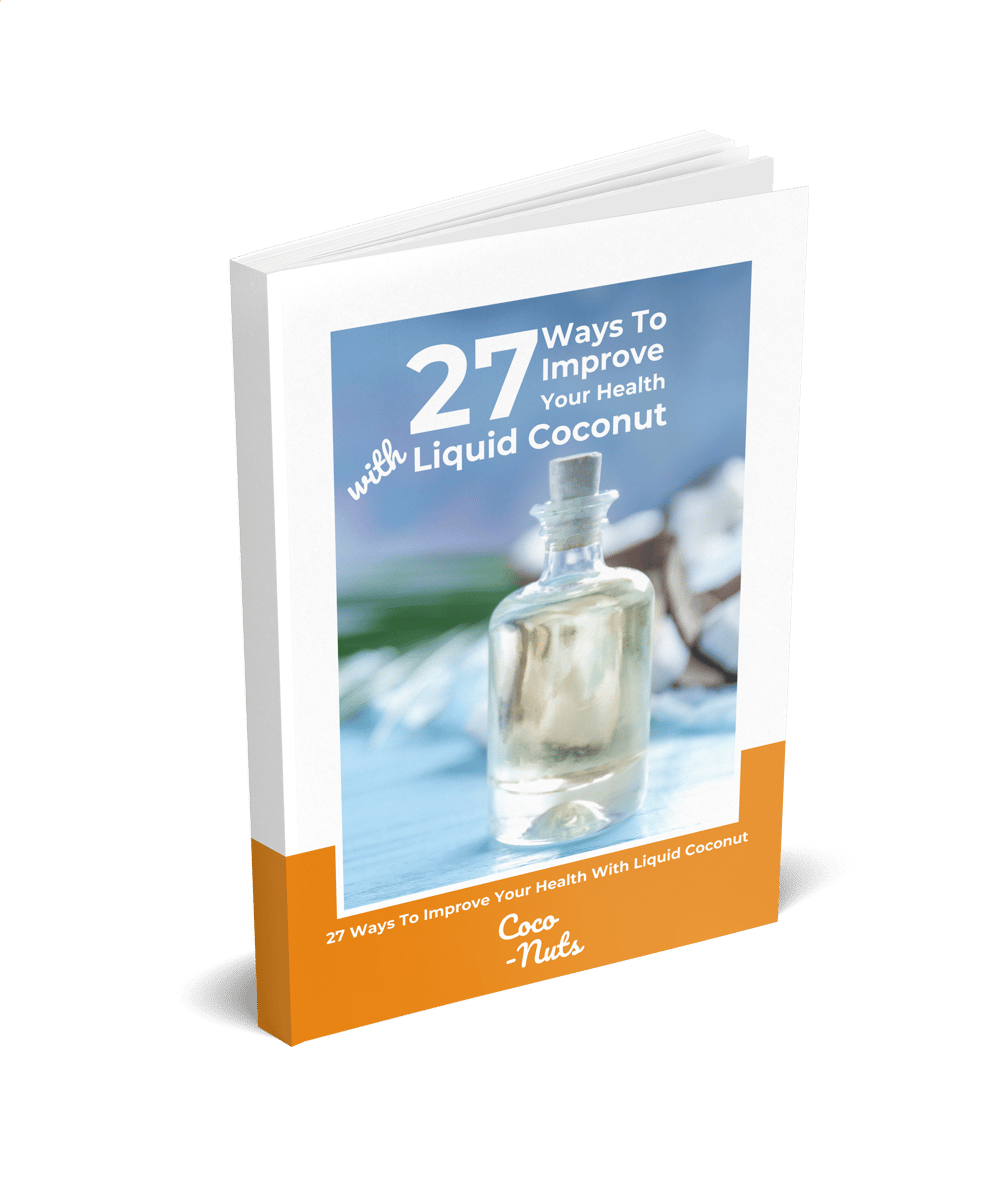
Come on... drop your email in the box below and get that eBook ASAP to learn
27 ways to improve your health with Liquid Coconut!
No worries, you’ll get only the real good stuff from us.
Get your eBook FREE of charge below!

The 7 Most Popular Types Of Coconut Fat
Monday, March 24, 2025
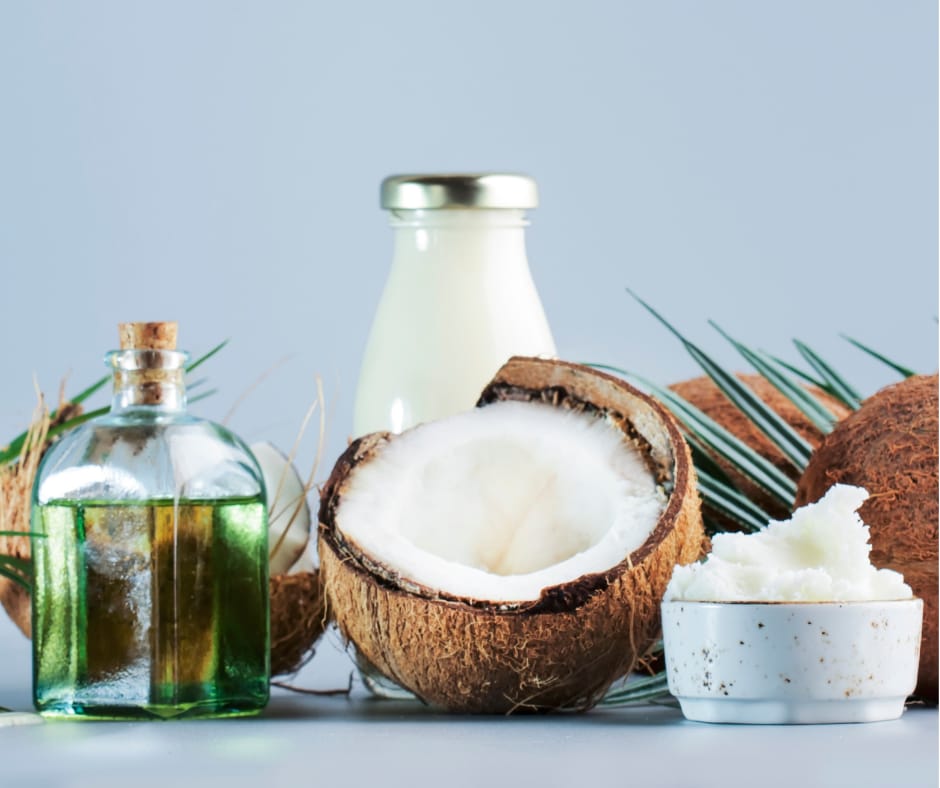
The 7 Most Popular Types Of Coconut Fat
The Types of Coconut Fat: A Comprehensive Guide
Coconut fat is a fascinating and versatile natural product, cherished worldwide for its unique composition and numerous health benefits. However, not all coconut fats are the same. The different types of coconut fat vary in terms of processing methods, purity, nutritional content, and intended use. Whether you are using coconut fat for cooking, skincare, or health supplementation, understanding the different varieties available can help you make an informed choice. Let’s explore the primary types of coconut fat and what sets them apart.
Virgin Coconut Oil (VCO)
Virgin coconut oil is considered the purest form of coconut fat, extracted from fresh coconut meat through cold-pressing or wet-milling processes. Unlike refined coconut oil, VCO does not undergo chemical processing, bleaching, or deodorization, preserving its natural aroma, taste, and beneficial compounds.
One of the most significant advantages of virgin coconut oil is its high content of medium-chain triglycerides (MCTs), particularly lauric acid. These MCTs provide a readily available source of energy and have antimicrobial properties that can support immune health. Virgin coconut oil is widely used in cooking due to its mild coconut flavor and stability at high temperatures. It is also a popular ingredient in skincare, hair care, and oil-pulling routines for oral health.
Liquid Coconut Oil (LCO)
Liquid Coconut Oil (LCO) is a newly developed form of coconut oil that remains liquid at room temperature while preserving much of its natural fatty acid profile. Unlike traditional coconut oil, which solidifies below 76°F (24°C), LCO undergoes a specialized process to maintain its liquid consistency without the extensive refining of fractionated coconut oil. This makes it a convenient and versatile alternative for those who want the benefits of coconut fat in a more user-friendly form.
LCO is widely used in cooking as a healthy oil for sautéing, baking, and drizzling over salads or vegetables. It blends easily into smoothies, coffee, and dressings, making it a practical addition to various recipes. Beyond the kitchen, it is valued in skincare and haircare for its lightweight, non-greasy texture, providing hydration and nourishment without clogging pores. With its ease of use and multiple applications, Liquid Coconut Oil is an excellent option for those looking to incorporate coconut-derived fats into their diet and personal care routine.
Fractionated Coconut Oil (MCT Oil)
Fractionated coconut oil is a specialized form of coconut fat in which long-chain fatty acids are removed, leaving behind only the medium-chain triglycerides (MCTs), such as caprylic and capric acid. This process creates a liquid oil that remains stable at room temperature and has a longer shelf life.
MCT oil is highly valued for its ability to provide quick energy, as MCTs are rapidly absorbed and metabolized by the liver, bypassing traditional fat digestion. This makes it a popular choice for athletes, individuals following ketogenic diets, and those looking for a clean energy source. MCT oil is commonly used in coffee, smoothies, and salad dressings, but it is not suitable for high-heat cooking due to its low smoke point.
Refined Coconut Oil (RBD)
Refined coconut oil, often labeled as RBD (Refined, Bleached, and Deodorized) coconut oil, is derived from dried coconut meat known as copra. The refining process removes impurities and results in a neutral-tasting, odorless oil that is well-suited for cooking applications where a coconut flavor is not desired.
Although refined coconut oil lacks some of the micronutrients and natural compounds found in virgin coconut oil, it retains its healthy saturated fat content and remains a stable cooking fat. It has a higher smoke point than virgin coconut oil, making it ideal for frying, baking, and other high-heat cooking methods.
Hydrogenated Coconut Oil
Hydrogenated coconut oil is a processed version of coconut fat in which hydrogen is added to increase the oil’s stability and shelf life. This process converts some of the unsaturated fats into trans fats, which have been linked to negative health effects, including increased risk of heart disease. Due to its altered fat composition, hydrogenated coconut oil is not recommended for regular consumption.
This type of coconut fat is often used in commercial food manufacturing, particularly in baked goods, margarine, and non-dairy creamers, where a solid fat consistency is needed. However, due to growing health concerns surrounding trans fats, many manufacturers have shifted away from using hydrogenated oils.
Coconut Butter
Coconut butter is often mistaken for coconut oil, but they are not the same. While coconut oil is purely fat, coconut butter is made from the whole coconut meat, including the fiber. This results in a thick, creamy texture that retains the natural coconut flavor and nutrient content.
Rich in fiber and healthy fats, coconut butter is an excellent spread for toast, a nutritious addition to smoothies, and a delicious ingredient in baking. Its slightly sweet, nutty taste makes it a favorite among those looking for a natural, plant-based alternative to dairy butter.
Centrifuge-Extracted Coconut Oil
This is a premium variety of virgin coconut oil that undergoes a high-speed centrifugation process to separate the oil from the coconut milk. Unlike traditional cold-pressed virgin coconut oil, centrifuge-extracted coconut oil is known for its ultra-light texture, superior purity, and delicate coconut aroma.
Due to its meticulous extraction method, this type of coconut fat retains more antioxidants and natural compounds, making it an excellent choice for those seeking the highest quality oil for health and beauty purposes.
Organic vs. Non-Organic Coconut Fat
Coconut fat is available in both organic and non-organic varieties. Organic coconut fat is derived from coconuts grown without synthetic pesticides or fertilizers, ensuring a more natural and environmentally friendly product. Choosing organic coconut fat can help reduce exposure to harmful chemicals and support sustainable farming practices.
Non-organic coconut fat, while still beneficial, may come from coconuts treated with conventional farming chemicals. Although the refining process often removes these residues, some individuals prefer organic varieties to ensure a cleaner product.
Final Thoughts
Coconut fat comes in many different forms, each with its unique characteristics, processing methods, and uses. Whether you prefer the pure and nutrient-rich virgin coconut oil, the neutral and heat-stable refined version, or the quick-energy MCT oil, understanding the differences can help you make the best choice for your dietary and personal care needs.
By selecting high-quality coconut fat that aligns with your health goals, you can fully enjoy the numerous benefits this natural superfood has to offer. From cooking and baking to skincare and energy supplementation, coconut fat remains one of the most versatile and valuable fats available today.
If you would like to join our Tribe, be guided by our shared knowledge, our mutual support, and also learn more about coconut, its saturated fats, and the role it can play in your diet, be sure to follow us on your favorite social media or sign up for our Coco-Nuts Tribe newsletter just down below.
Don’t forget that, by joining our Coco-Nuts Tribe Newsletter, you will receive my new FREE eBook – 27 Ways to Improve Your Health with Liquid Coconut.
I hope you enjoy it and talk to you next time!
Lenny Gee

Hi, I Am Lenny Gee
Co-Founder of Coco-Nuts.life
My love for nutrition and my passion for coconuts gave me this crazy idea to start this tropical adventure where we want to help you achieve wellness and enjoy life the way it should be.
FREE eBook
27 Ways To Improve Your Health With Liquid Coconut
Subscribe to our Tribe and receive our eBook FREE of cost.
Packed with useful recipes to guide you, and healthy benefits to inform you, this eBook makes it easier than ever for you to use our Liquid Coconut - totally FREE of charge.
Coco
-Nuts
Coco
-Nuts
Health ● Mind ● Body
Health ● Mind ● Body
Quick Links
© 2025 Coco-Nuts inc., ALL RIGHTS RESERVED
†These statement have not been evaluated by the Food & Drug Administration. This product do not intended to diagnose, treat, cure, or prevent any disease.
Information provided by this website or this company is not a substitute for individual medical advice.